DIY String Art with Infinite Photo Previews: Create with Confidence Before You Start
DIY string art no longer relies on guesswork. Discover how modern previews, volumetric depth, and high nail density transform uncertainty into confident, expressive handmade portrait art.
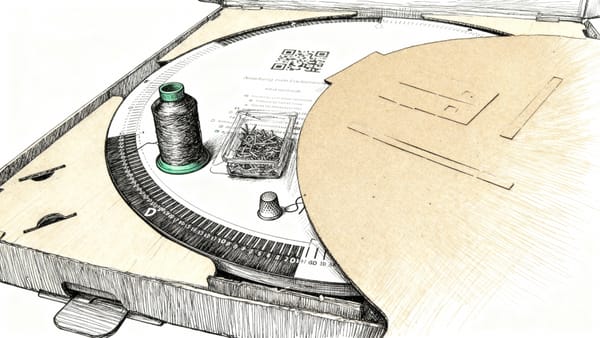
DIY string art is often admired for its beauty—but approached with hesitation. Many people love the idea of creating a personal portrait from threads, yet hesitate to begin. The reason is simple: uncertainty.
Will the photo work? Will the result look realistic? Will the time and effort be worth it?
Modern DIY string art has evolved to answer these concerns. Today, it is no longer about guessing and hoping for the best. With the ability to generate and preview unlimited versions of your string art before you start, the creative process becomes clearer, calmer, and far more rewarding.
This article explains how DIY string art works today, why photo previews matter, and how thoughtful design choices—like volumetric depth and high nail density—transform a DIY project into expressive wall art.
Why DIY String Art Can Feel Intimidating
Traditional DIY string art often asks the maker to commit early. You choose a photo, follow a pattern, and only see the result at the very end. If something feels off—lighting, expression, proportions—there is no easy way back.
For beginners, this can be discouraging. Even for experienced creators, portraits add complexity. Faces rely on subtle shadows and small transitions, and string art does not forgive unclear source material.
Modern DIY kits address this hesitation directly. They allow you to see the result first, removing the fear of committing to the wrong image.
What DIY String Art Looks Like Today
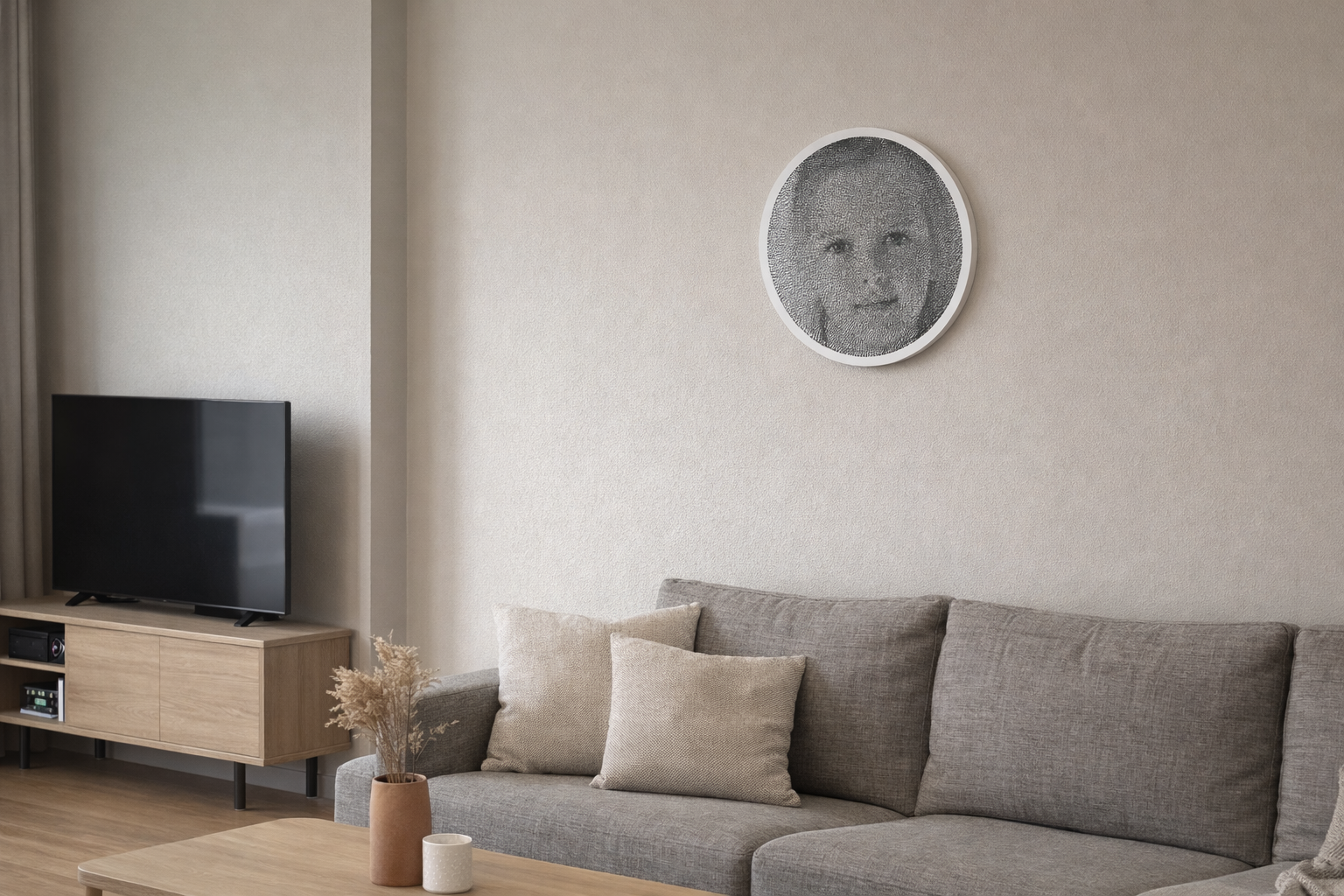
DIY string art has grown beyond simple shapes and decorative motifs. While classic projects often focused on hearts, words, or geometric figures, modern string art embraces complexity, realism, and emotional depth.
Today’s DIY string art combines:
- Handmade craftsmanship
- Careful planning and structure
- Visual previews based on real photos
The result is not automation, but confidence. You still create the artwork by hand—thread by thread—but with clarity about where the process is heading.
From Photo to String Art: Why Preview Matters
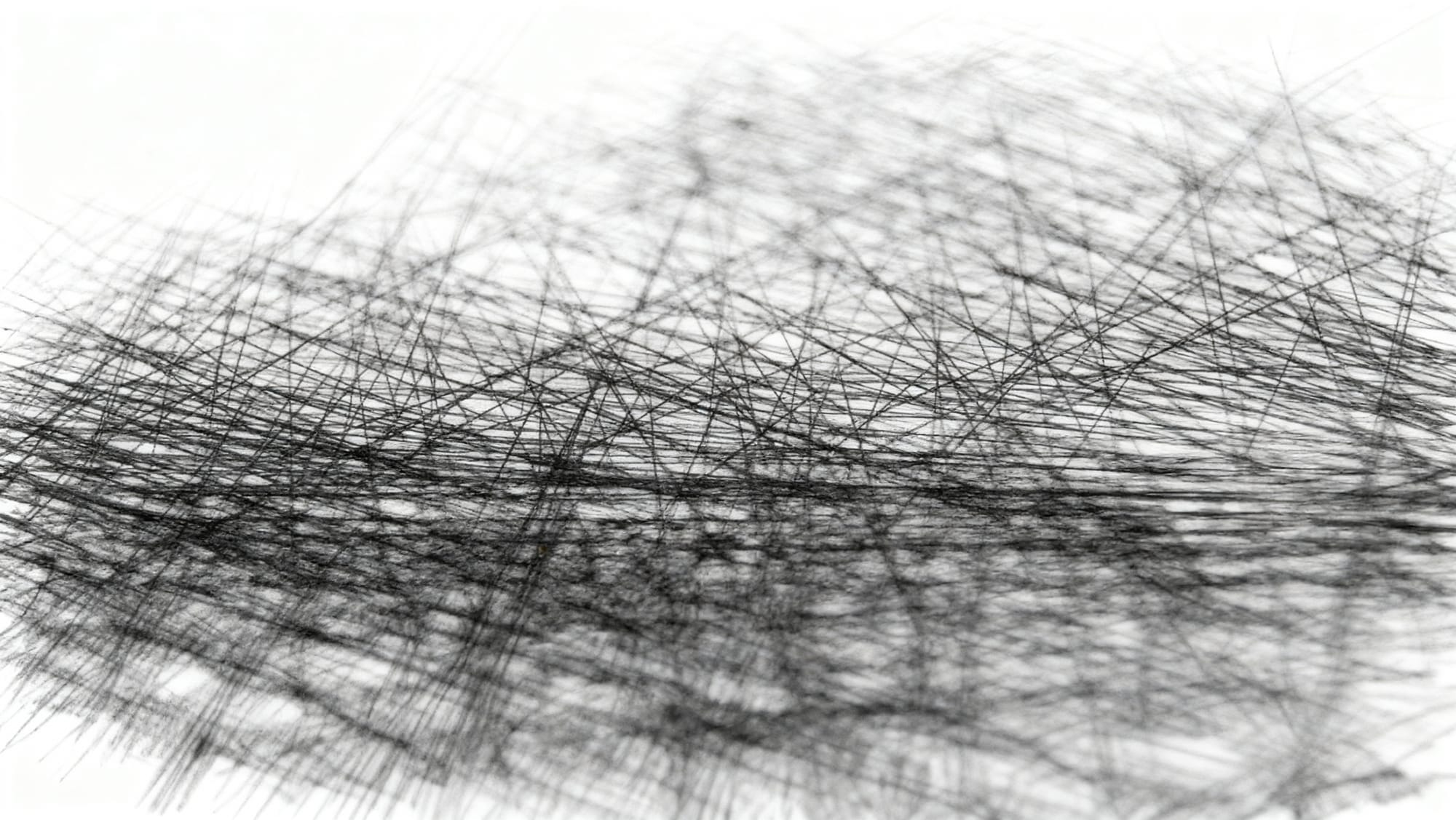
String art does not reproduce color. It translates light and shadow into thread density. Bright areas become open space; darker areas become intersections of lines.
This means that two photos of the same person can produce very different results. A slight change in lighting, contrast, or angle can significantly affect realism.
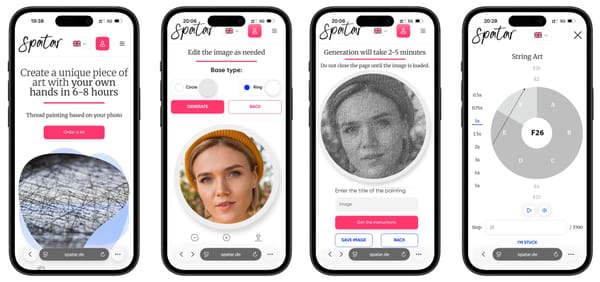
Photo previews make this transformation visible before you begin. Instead of imagining how a photo might translate, you can see how it actually behaves as string art.
This shifts DIY string art from trial-and-error to intentional creation.
Infinite Photo Generations: Exploring Possibilities Before You Commit
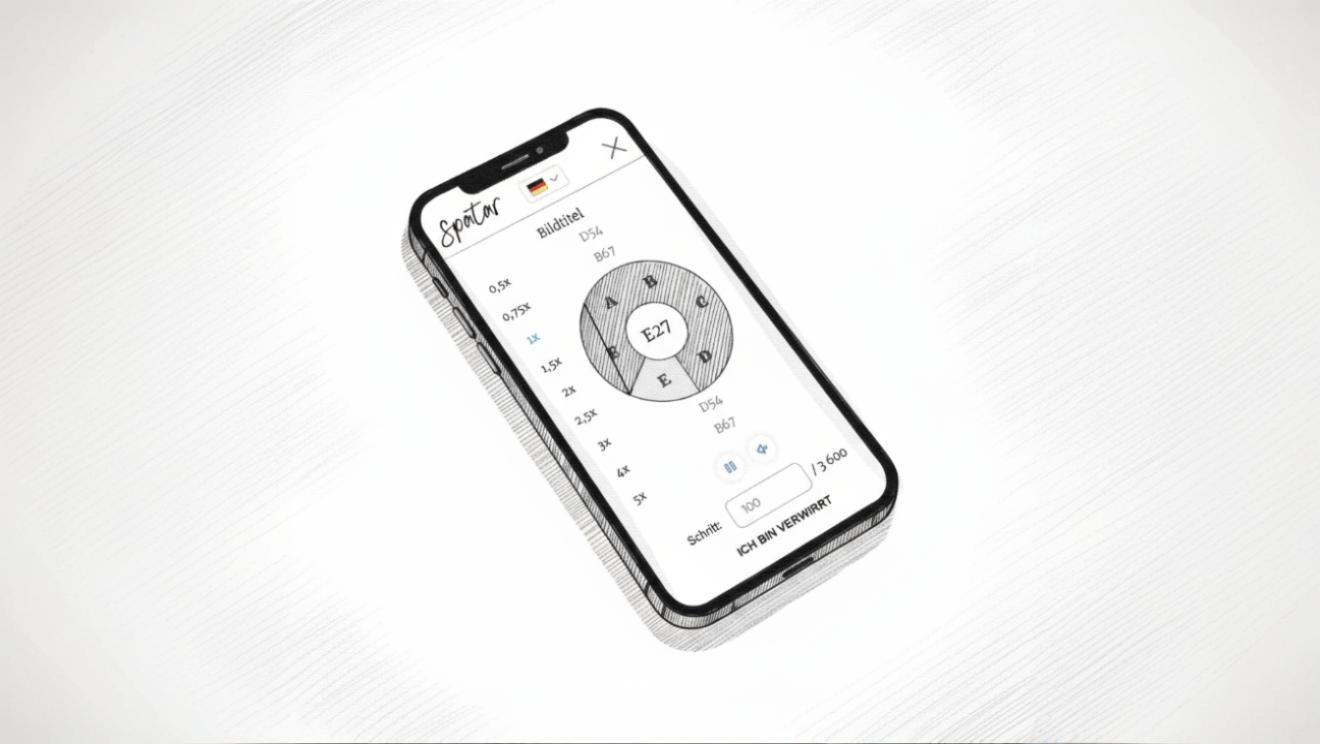
One of the most powerful features of modern DIY string art kits is the ability to upload as many photos as you want and generate unlimited previews.
This creates creative freedom rather than restriction. You can:
- Compare different facial expressions
- Test subtle lighting variations
- Explore slight angle changes
- Choose between calm, neutral, or more expressive portraits
Often, the “best” photo for string art is not the most dramatic one—but the most balanced. Infinite previews allow you to discover this naturally.
Instead of settling for a single option, you can explore possibilities until the image feels right.
Choosing the Best Image with Confidence
Previews change how decisions are made. Instead of asking “Will this work?”, you ask “Which version feels strongest?”
This distinction matters. When you see multiple generated outcomes side by side, patterns emerge:
- Some images feel softer and more emotional
- Others appear sharper but less expressive
- Some faces feel calm and timeless
Choosing becomes intuitive. By the time you start the physical artwork, uncertainty is gone.
Volumetric String Art: Why Depth Changes Everything
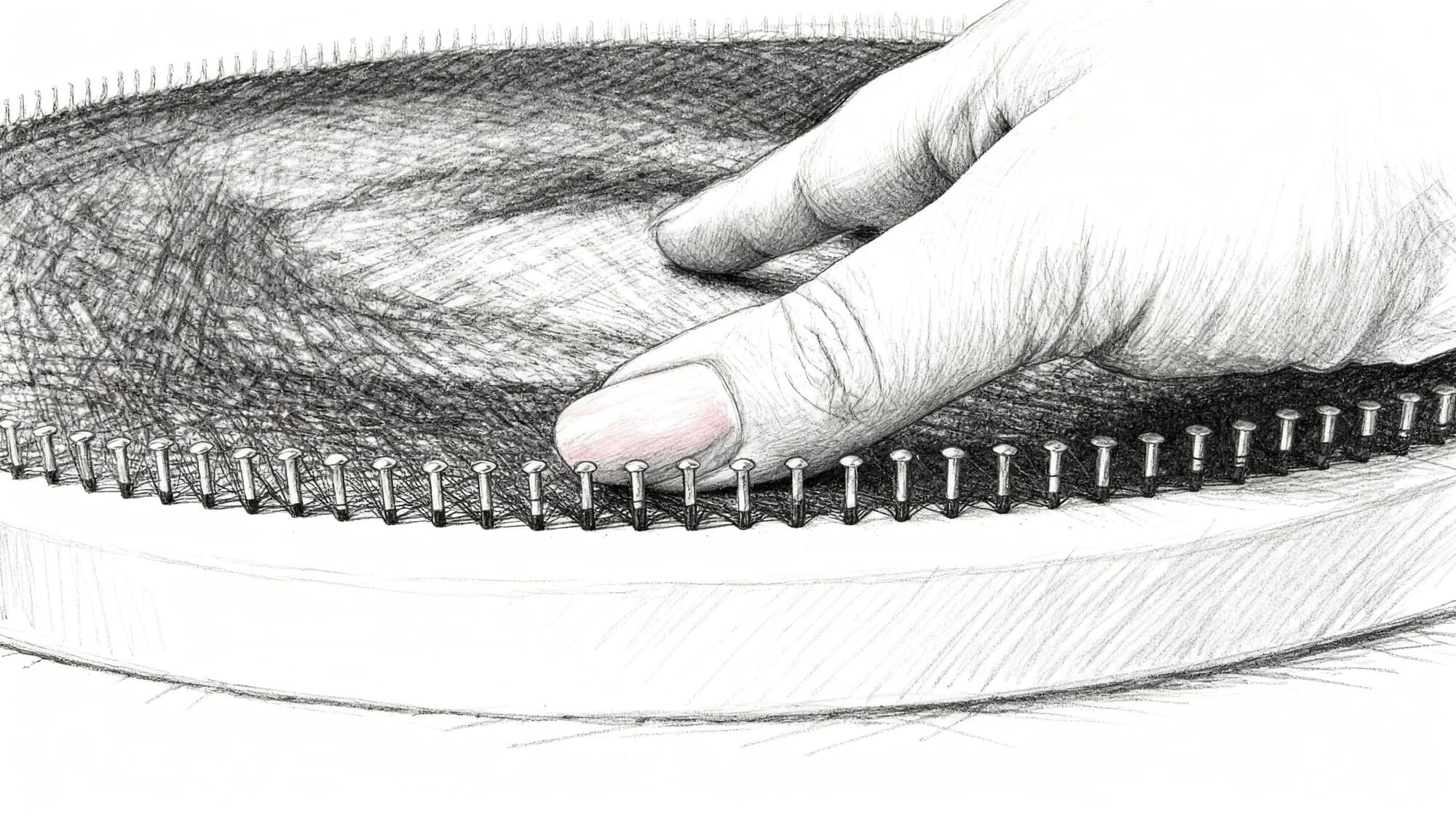
Not all string art is flat. Volumetric string art introduces physical depth, allowing the artwork to interact with space and light.
Depth enhances realism. It creates subtle shadows between threads and the wall, adding dimension that changes depending on viewing angle and lighting conditions.
This sense of volume makes the portrait feel present rather than printed. The artwork becomes something you experience, not just observe.
The Power of a Ring-Shaped Base
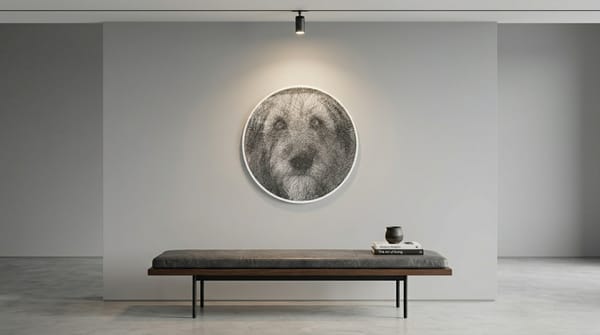
A circular, ring-shaped base does more than hold the nails in place. It frames the portrait and lifts it visually from the wall.
This design:
- Adds architectural clarity
- Creates a gallery-style appearance
- Enhances depth perception
- Fits naturally into modern interiors
The circle also complements portrait work. It draws focus inward, reducing distractions and emphasizing the face.
Why 246 Nails Make a Visible Difference
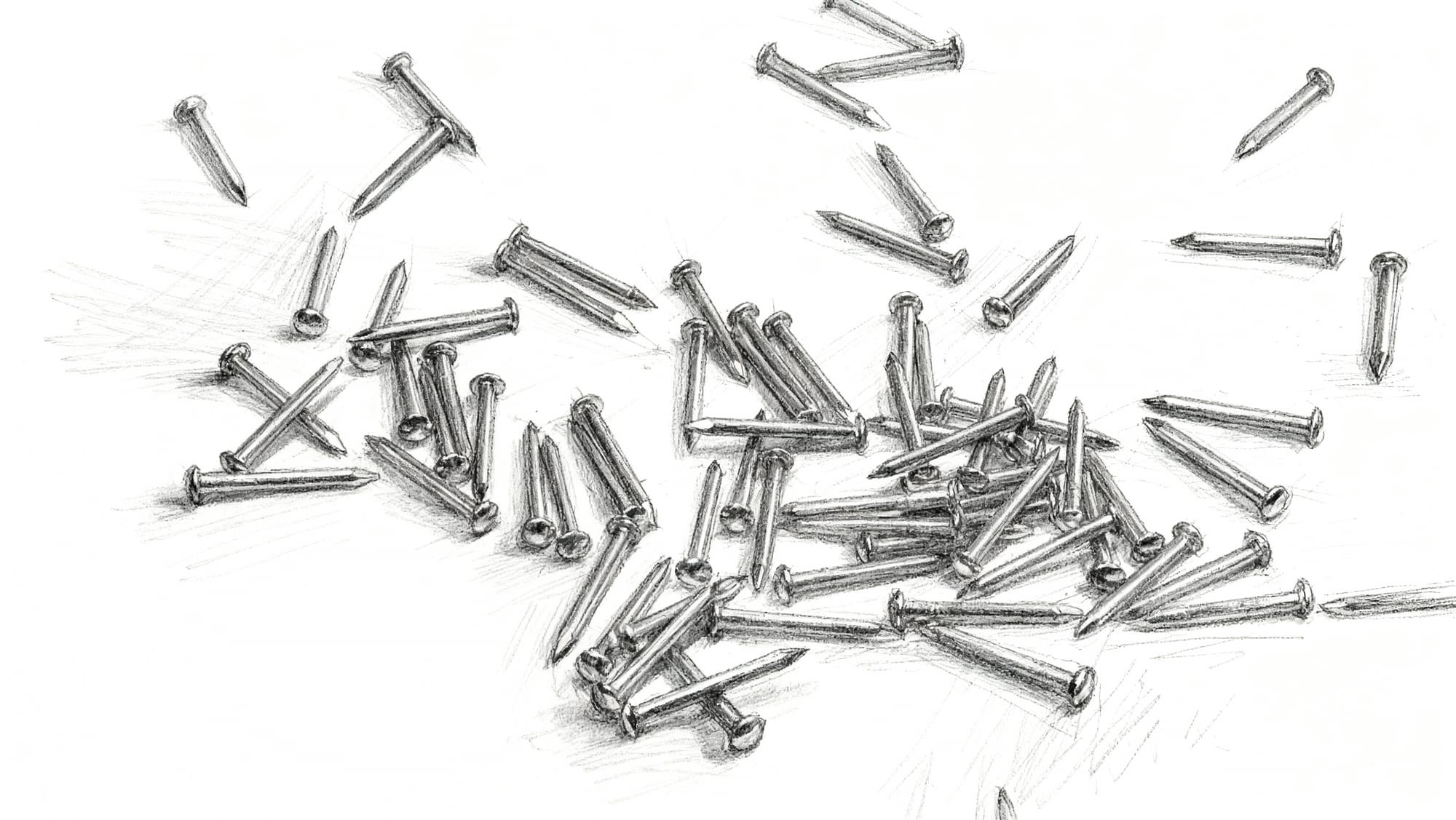
In string art, realism depends on intersections. More nails mean more possible paths for the thread—and more opportunities to create smooth transitions between light and shadow.
With 246 nails, the thread network becomes dense enough to form:
- Softer gradients
- Clearer facial features
- Greater detail in eyes, nose, and mouth
This is not about complexity for its own sake. It is about allowing the image to breathe while remaining precise.
The result is expressive and convincing without feeling rigid.
Why This Approach Is Ideal for Beginners
Paradoxically, advanced tools make DIY string art more accessible, not less.
Beginners benefit because:
- There is no guesswork
- Mistakes are avoided before they happen
- Confidence replaces hesitation
The process remains hands-on and tactile, but supported by clarity. This encourages focus on the experience rather than anxiety about the outcome.
Handmade, Thoughtfully Planned
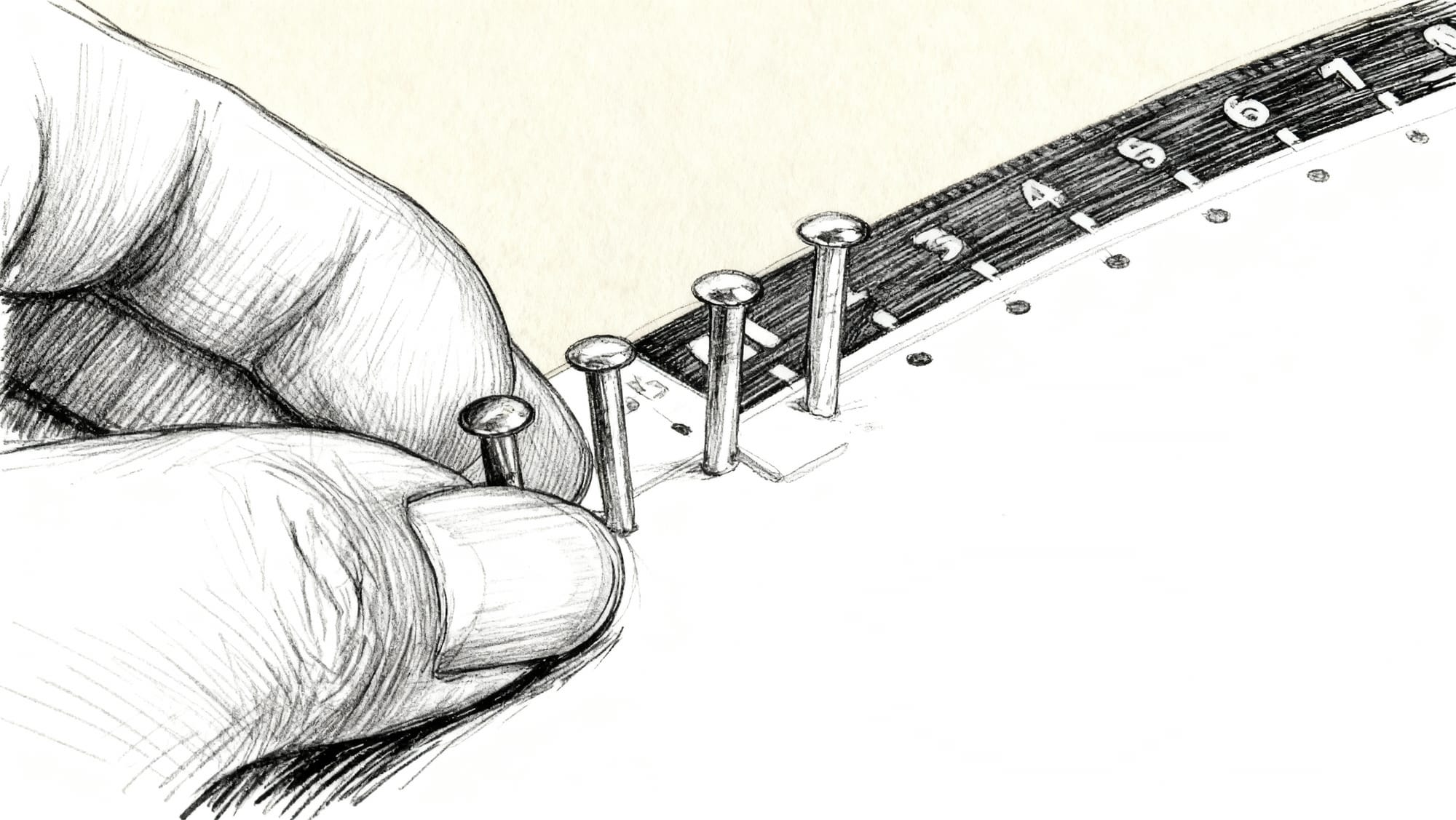
Some worry that previews remove authenticity. In reality, they enhance it.
The artwork is still created by hand. Every nail placement, every thread wrap, every intersection is done by the maker. The preview does not create the artwork—it simply guides it.
Planning has always been part of craftsmanship. Modern DIY string art makes that planning visible.
Who This DIY String Art Approach Is For
This method is ideal for:
- First-time DIY creators
- Personal or emotional portrait gifts
- Couples and families
- Anyone who values both creativity and precision
It suits people who want to make something meaningful—without unnecessary risk.
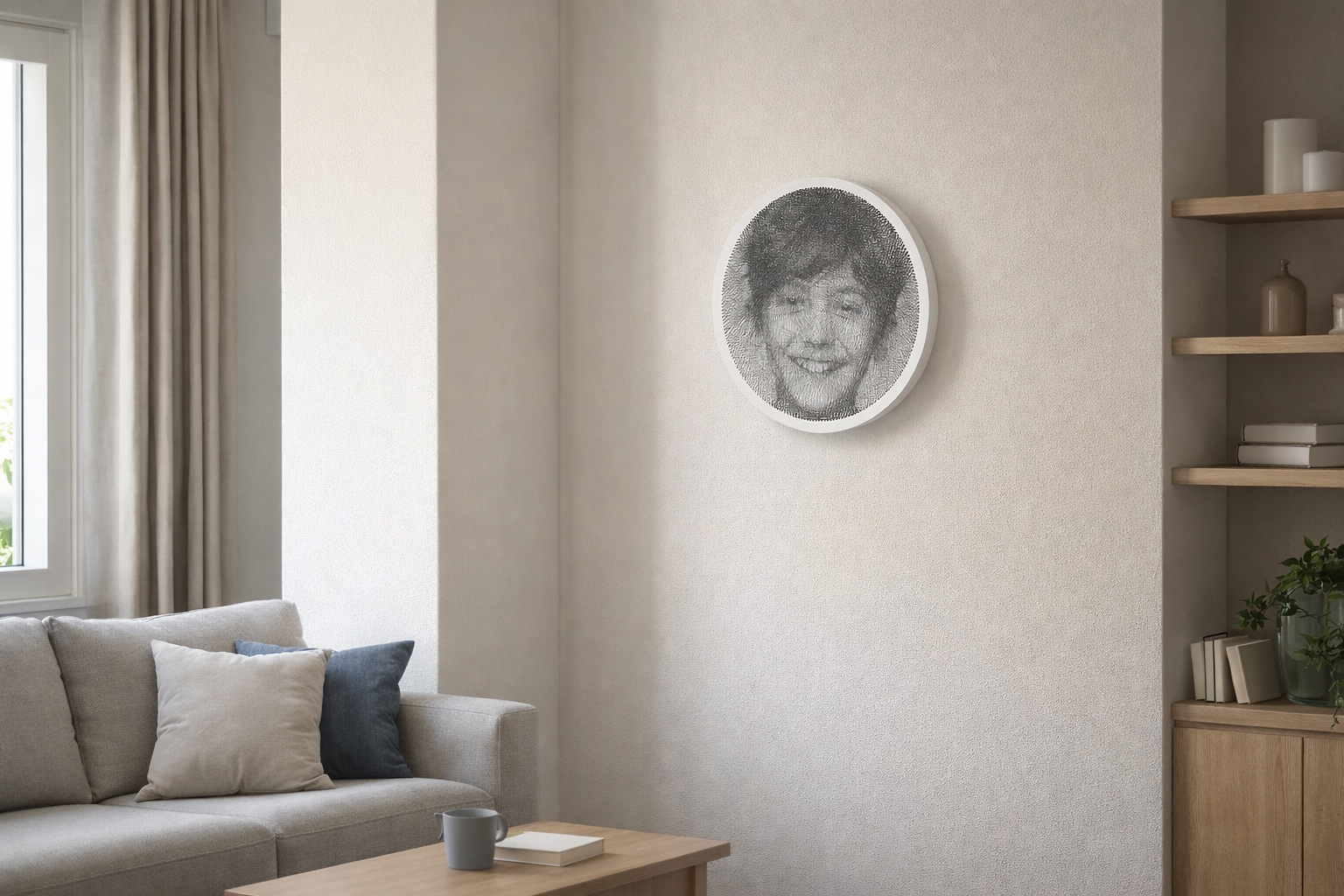
Creativity Feels Better When You See the Result First
DIY string art no longer requires blind commitment. With infinite photo previews, volumetric depth, and a high-density nail layout, the process becomes thoughtful, expressive, and deeply satisfying.
You explore. You choose. Then you create—with confidence.
That is the difference modern DIY string art makes.
Share this article Share to
Written by
Join the conversation
Pet String Art From Photo: Turning Your Dog or Cat Into Wall Art
What to Do If the Thread Breaks During String Art
How String Art From a Photo Works: From Algorithm to Thread