How Long Does It Really Take to Make String Art? (And Why That’s the Point)
String art isn’t about speed. It’s a deliberate, hands-on process where focus, repetition, and time turn a photo into a tactile artwork with depth and meaning.
Speed has become the default expectation in creative work. Photos are edited instantly, designs are generated in seconds, and even handmade objects are often judged by how quickly they can be produced. Against that backdrop, string art feels almost out of place.
It doesn’t try to be fast.
It doesn’t pretend to be effortless.
And it doesn’t apologize for taking time.
That is precisely what makes it interesting.
A Process That Resists Shortcuts
String art begins long before the first thread is wrapped. There is a moment of preparation—choosing an image, understanding how light and contrast translate into lines, and mentally adjusting to a way of “drawing” that doesn’t rely on strokes or shading.
Unlike many DIY projects, there is no phase where speed suddenly helps. Each step depends on the previous one. Every line builds on the tension and placement of the last. Skipping ahead simply isn’t an option.
This is not inefficiency. It’s structure.
Time as a Material, Not a Cost
In string art, time behaves differently than in most creative tasks. It isn’t something you try to minimize; it’s something you work with.
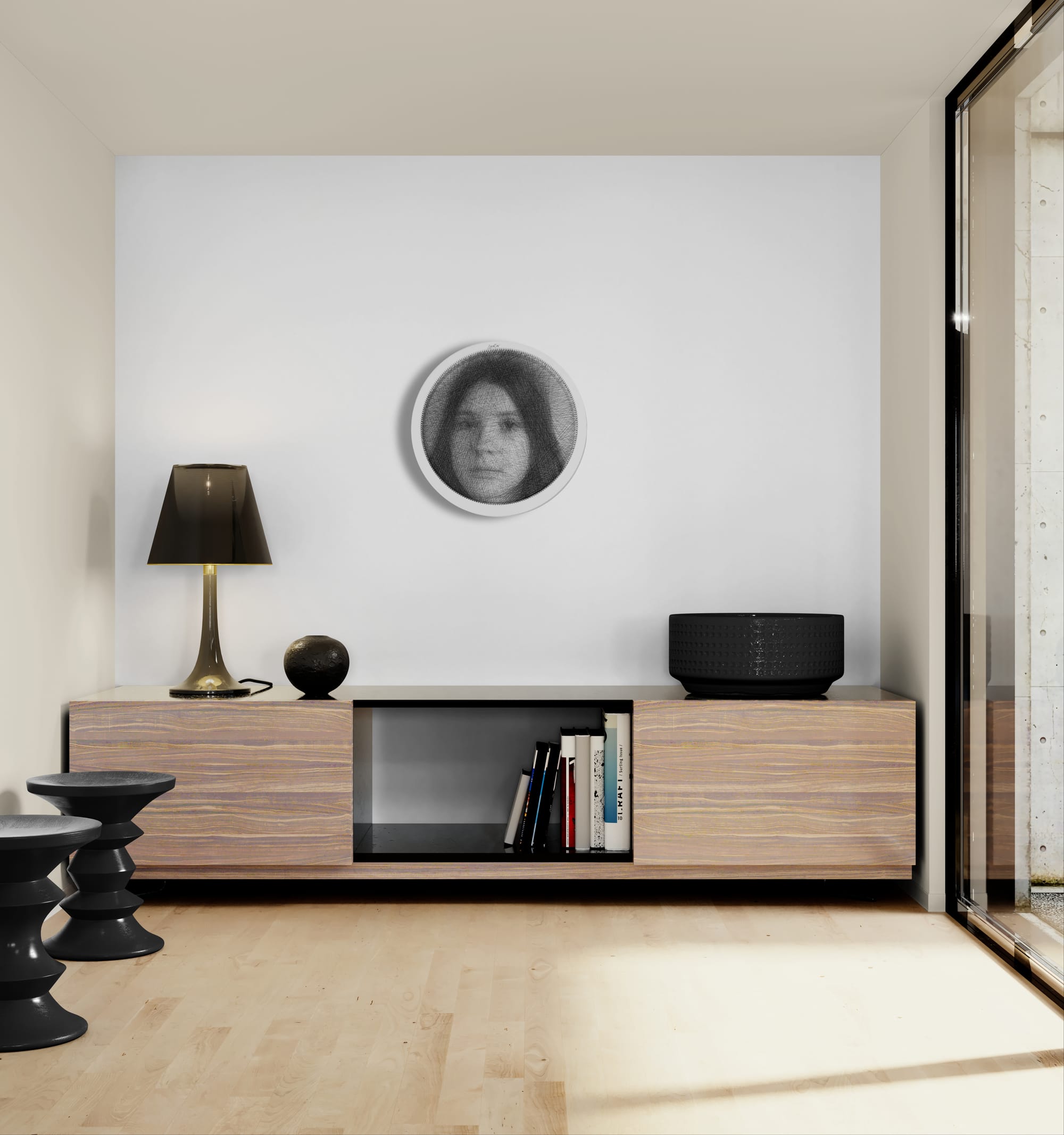
The gradual layering of threads creates depth that cannot be rushed. The image doesn’t appear all at once—it reveals itself slowly, almost reluctantly, as intersections accumulate. What looks abstract at the beginning becomes recognizable only through patience.
How long does it take to make a string art piece?
On average, completing a piece takes around 6–7 hours, but that number matters less than how those hours are experienced. They are not spent waiting. They are spent doing—repeating small, precise actions that quietly add up to something coherent.
Focus Without Pressure
Many people expect a process like this to feel demanding. In reality, it often feels the opposite.
Once the initial learning curve passes, the work settles into a steady rhythm. Hands move, tension is adjusted, and the mind narrows its focus. There are no notifications, no decisions to optimize, no urgency to perform.
This kind of sustained attention is rare. String art creates a space where focus is required but pressure is absent. Progress is visible, but it unfolds at its own pace.
The result is not productivity in the usual sense—it’s presence.
Why the Result Carries More Weight
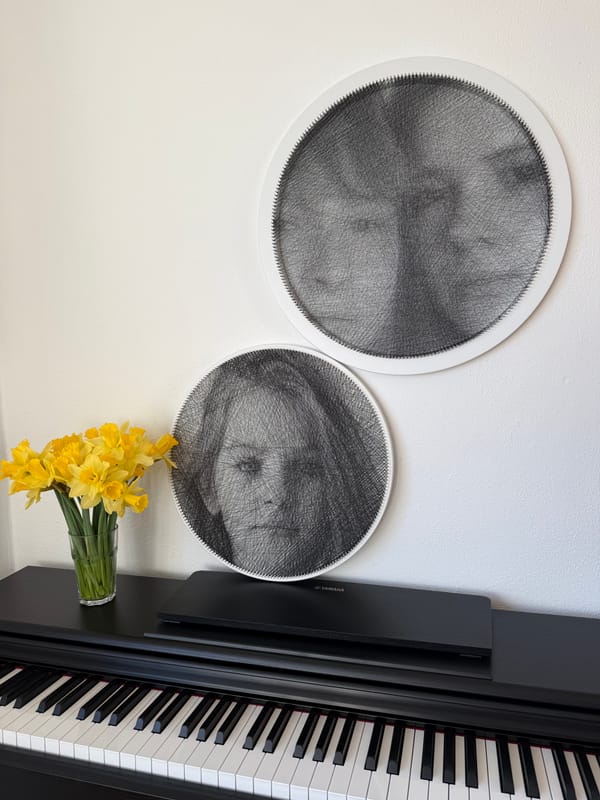
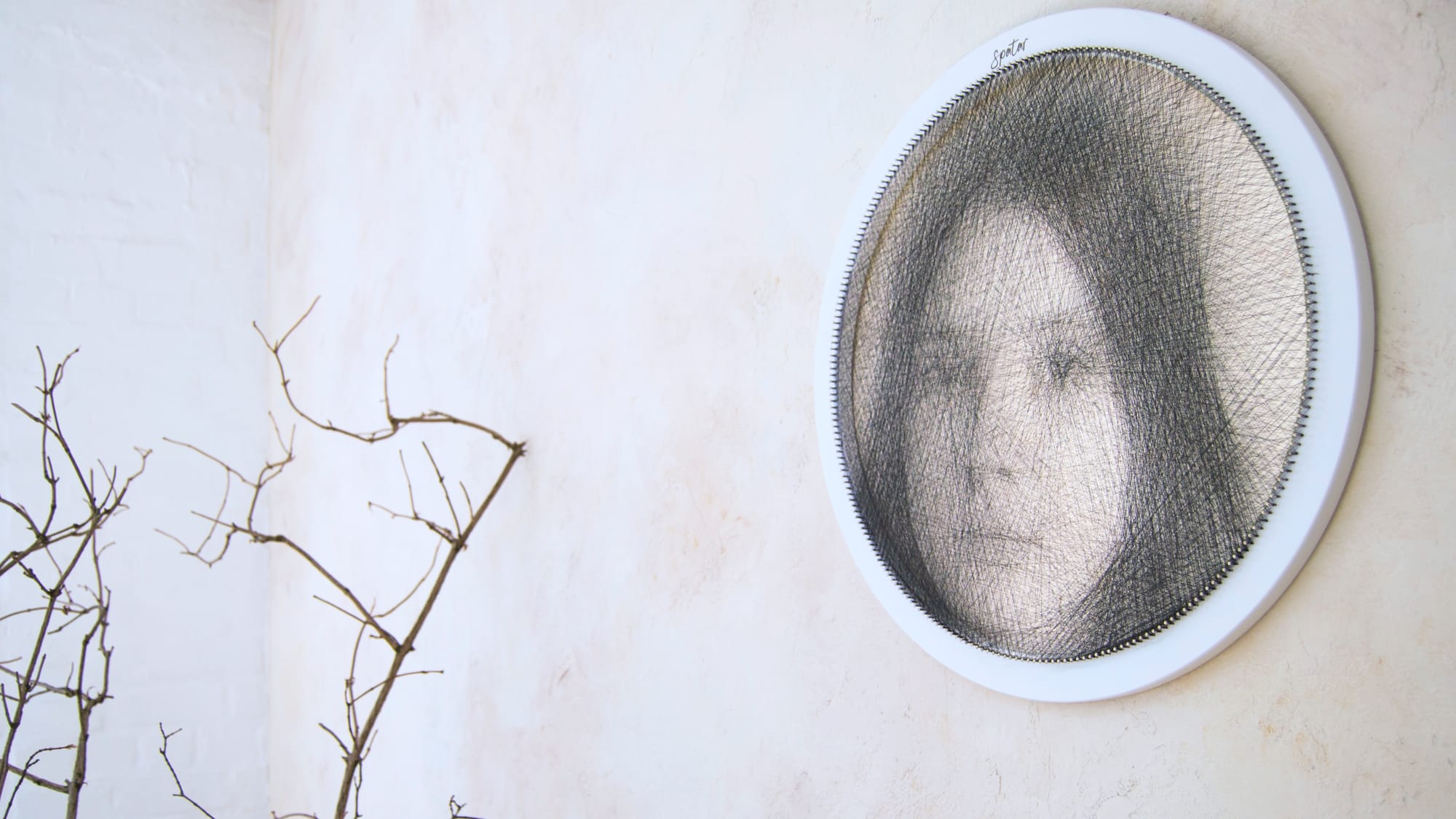
A finished string art piece is visually striking, but its impact goes beyond appearance. Knowing how it came into being changes how it’s perceived.
Each line represents a choice that was made and followed through. Each dense area reflects time spent without interruption. The artwork becomes a physical trace of effort, concentration, and restraint.
That’s why pieces made this way tend to feel personal, even when the subject is familiar. They don’t just show an image—they contain the process that created it.
The Point Is Not the Clock
Asking how long string art takes is reasonable. Measuring it by time alone is not.
The value of the process lies in its refusal to be compressed. It asks for attention instead of speed, intention instead of efficiency. In return, it offers something increasingly uncommon: a finished object that feels earned, not consumed.
String art doesn’t compete with faster methods of making images.
It exists for a different reason entirely.
And that reason is time—used deliberately, not saved.
Share this article Share to
Written by
Join the conversation
Pet String Art From Photo: Turning Your Dog or Cat Into Wall Art
What to Do If the Thread Breaks During String Art
How String Art From a Photo Works: From Algorithm to Thread