How a Photo Becomes String Art: From Algorithm to Thread
Discover how a simple photo becomes a precision-engineered string art portrait. From contrast optimization to geometric nail density and algorithmic thread paths, this article explains the structured design behind Spatar’s round string art systems.
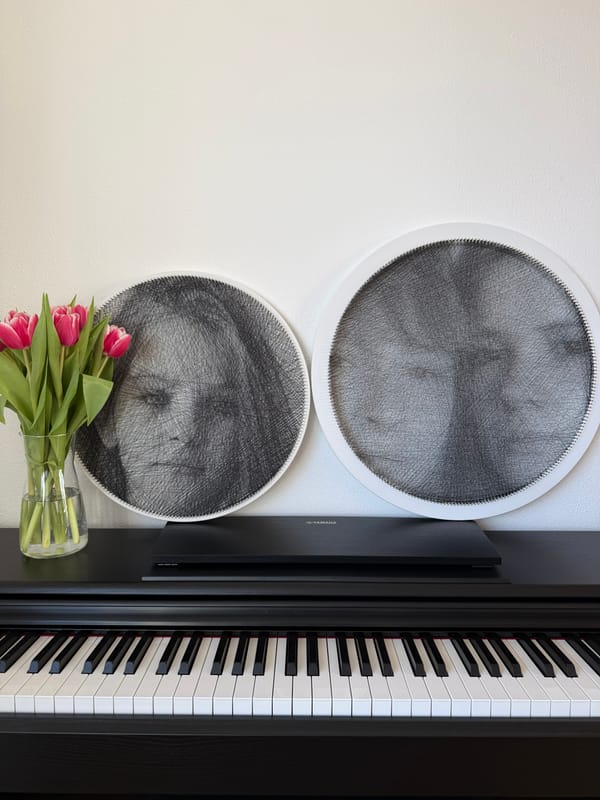
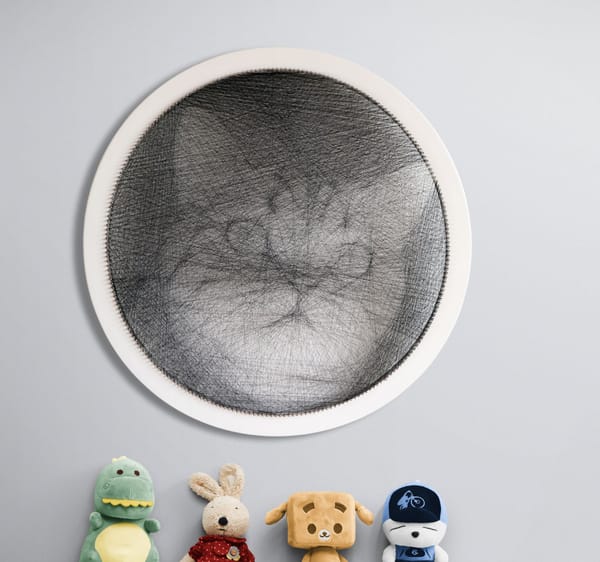
String art is often misunderstood as decorative thread wrapping. In reality, a high-quality string art portrait is the result of structured calculation, controlled geometry, and intentional design decisions. What appears handmade and organic is, in fact, carefully engineered long before the first thread is pulled.
At Spatar, the transformation follows a clear sequence:
photo → algorithm → structure → thread.
Every custom string art portrait begins digitally. Software analyzes light, shadow, and structure. Geometry defines anchor points. Thread paths are calculated before a single nail is touched. The result is not random — it is controlled complexity.
This is how a photo becomes string art.
Step 1 – Contrast Optimization
Not every photograph translates equally well into string art.
The reason is simple: thread does not carry color. It carries density. A portrait created from black thread on a light background depends entirely on tonal contrast. What matters is not how colorful a photo is, but how clearly light and shadow define facial structure.
Shadows create form. Highlights create separation. Midtones create smooth transitions.

If a photo lacks contrast, the resulting thread composition appears flat. If lighting is uneven, important facial details can disappear in the conversion process. This is why contrast optimization is the first and most critical stage in transforming a photo into string art from photo.
The image is analyzed and adjusted for tonal balance. Colors are translated into grayscale logic. Highlights are refined, shadows deepened where necessary. This is not about artistic filters — it is about structural clarity.
In string art, shadow matters more than color. The illusion of realism is achieved through overlapping thread density. Darker areas receive more connections. Lighter areas receive fewer. The entire portrait is built from this contrast logic.
Without proper tonal preparation, even the most detailed thread path cannot compensate for a weak source image.
Precision begins with light.
Step 2 – Nail Density and Structural Geometry
Once contrast is optimized, geometry defines the framework.
Nails are not decorative elements. They are anchor points in a calculated coordinate system. The number of nails directly affects resolution.
Spatar’s two primary systems illustrate this clearly:
- String Art Model Circle M – 224 nails
- String Art Model Ring M – 246 nails
The difference may appear minor, but increased nail density expands the available connection matrix. More anchor points allow finer transitions in thread layering. This results in improved detail reproduction, particularly in facial contours and hair structure.
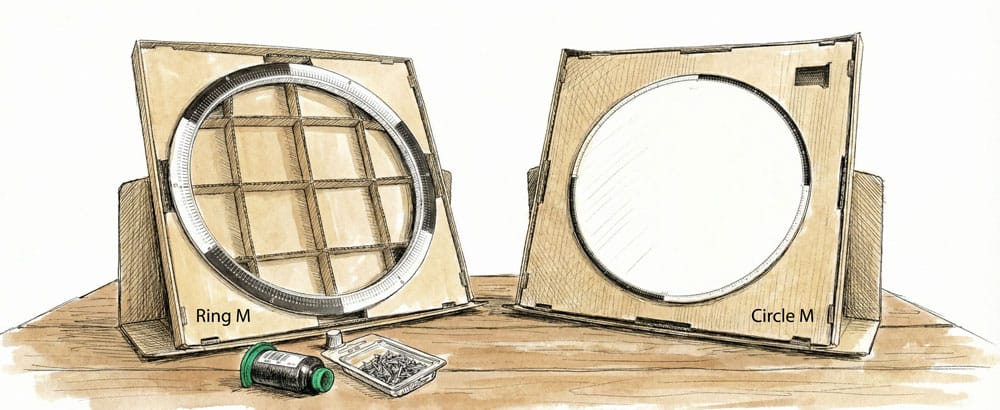
Higher nail count increases potential line combinations exponentially. Each additional anchor expands the algorithm’s ability to approximate tonal gradients.
Equally important is symmetry.
Evenly distributed anchor points create structural balance. Irregular spacing introduces distortion. Circular precision ensures that thread tension remains uniform and the portrait maintains clarity from all viewing angles.
Spatar models are not decorative frames with nails inserted around the edge. They are engineered systems designed to support mathematical image translation.
Resolution in string art is not defined by pixels. It is defined by geometry.
Why the Round Format Works Best
The circular format is not aesthetic preference. It is structural logic.
A round string art design distributes thread tension evenly across all anchor points. There are no corners that absorb disproportionate force. No visual “dead zones” where composition loses energy.
In square formats, corners often remain underutilized. The eye gravitates toward the center, leaving peripheral areas visually passive. A circle eliminates this imbalance.
Radial symmetry naturally directs focus inward. This supports portrait realism because the human face is also centrally structured. The geometry complements the subject.
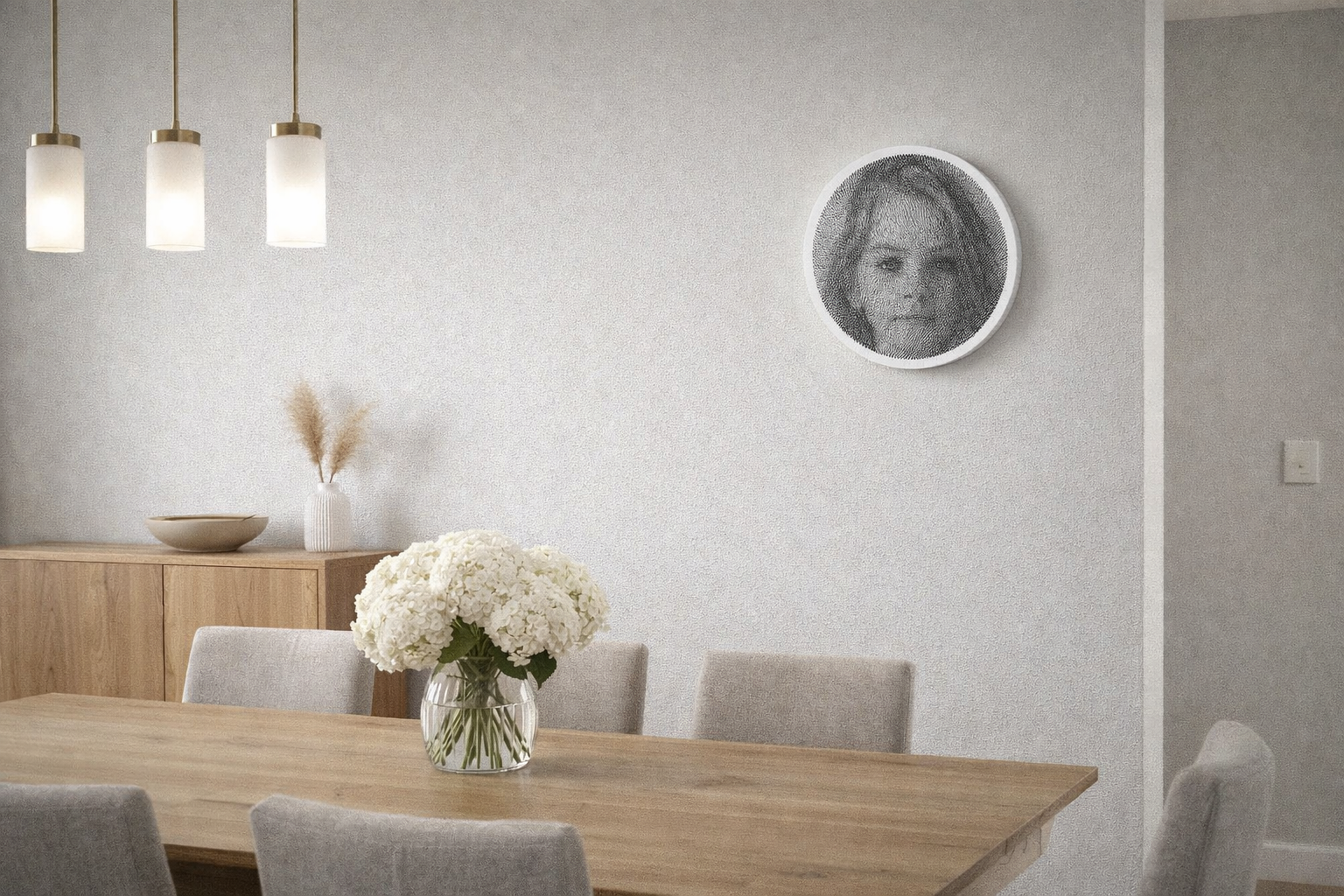
From a mathematical perspective, circular distribution creates consistent angular spacing between anchors. This uniformity enhances line accuracy and prevents directional bias in the thread pattern.
In practical terms, a round string art design produces cleaner density gradients and smoother transitions. The portrait appears cohesive rather than fragmented.
The circular form is not decorative. It is intentional design.
From Algorithm to Thread Path
At the core of a personalized string art piece lies a calculated thread sequence.
Thousands of potential connections exist between anchor points. The algorithm evaluates which connections contribute most effectively to reproducing tonal contrast. It determines sequence, layering order, and density distribution.
This process happens digitally before production begins.
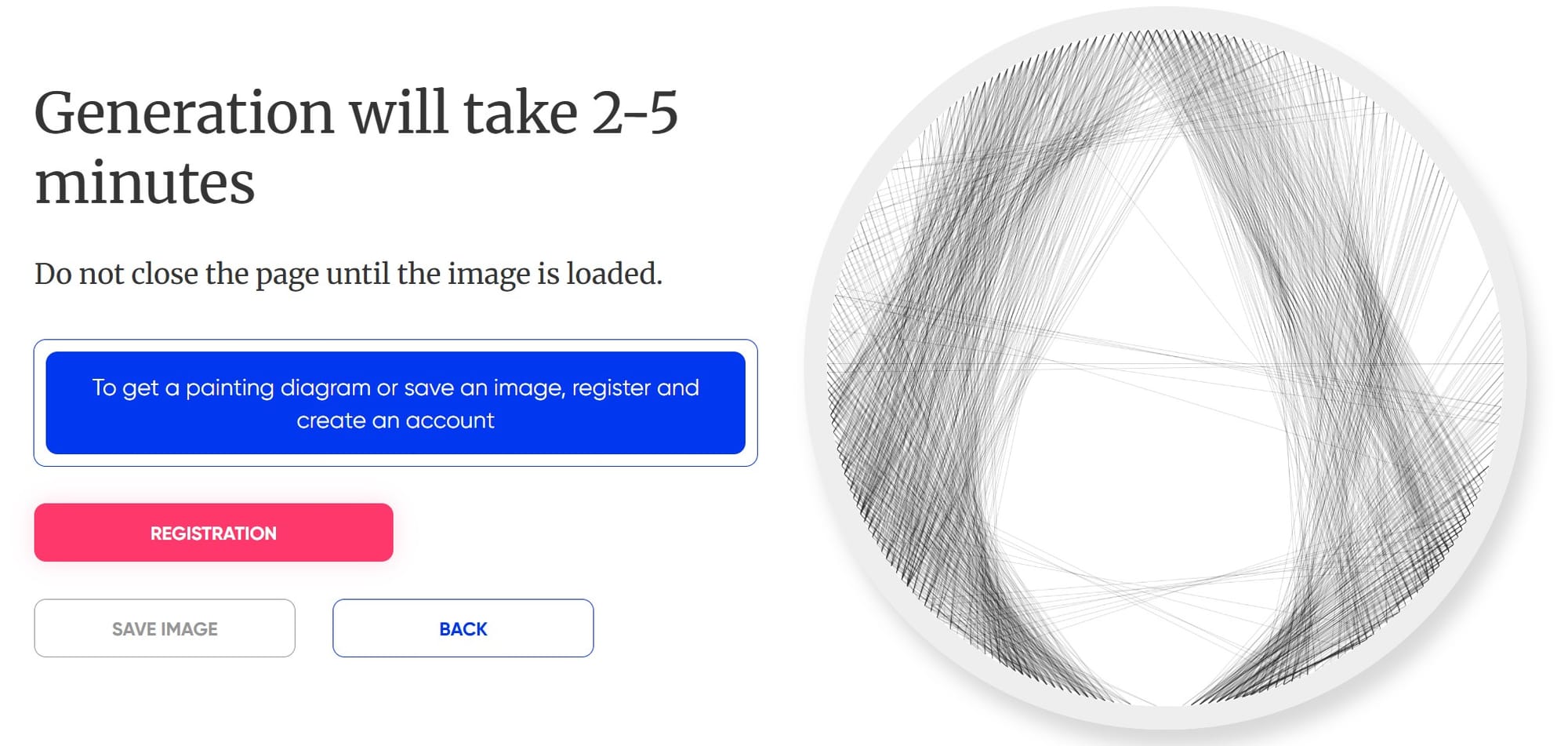
Random wrapping cannot produce realistic results. Without calculated path logic, thread overlaps become chaotic. Facial features lose definition. Contrast collapses.
Sequence matters because each new thread line modifies the visual density of the composition. The system accounts for cumulative layering. It predicts how darkness builds with each connection. It balances efficiency with accuracy.
The final pattern is not a static image. It is a set of ordered instructions guiding the physical creation of the portrait.
When you begin wrapping thread in a DIY string art kit, you are executing a pre-calculated design — not improvising.
This distinction separates engineered custom string art portraits from decorative craft projects.
Why Preview Simulation Changes Everything
Personalization introduces risk. A buyer uploads a photo and expects a meaningful result. Without seeing the outcome beforehand, uncertainty remains.
Preview simulation removes that uncertainty.
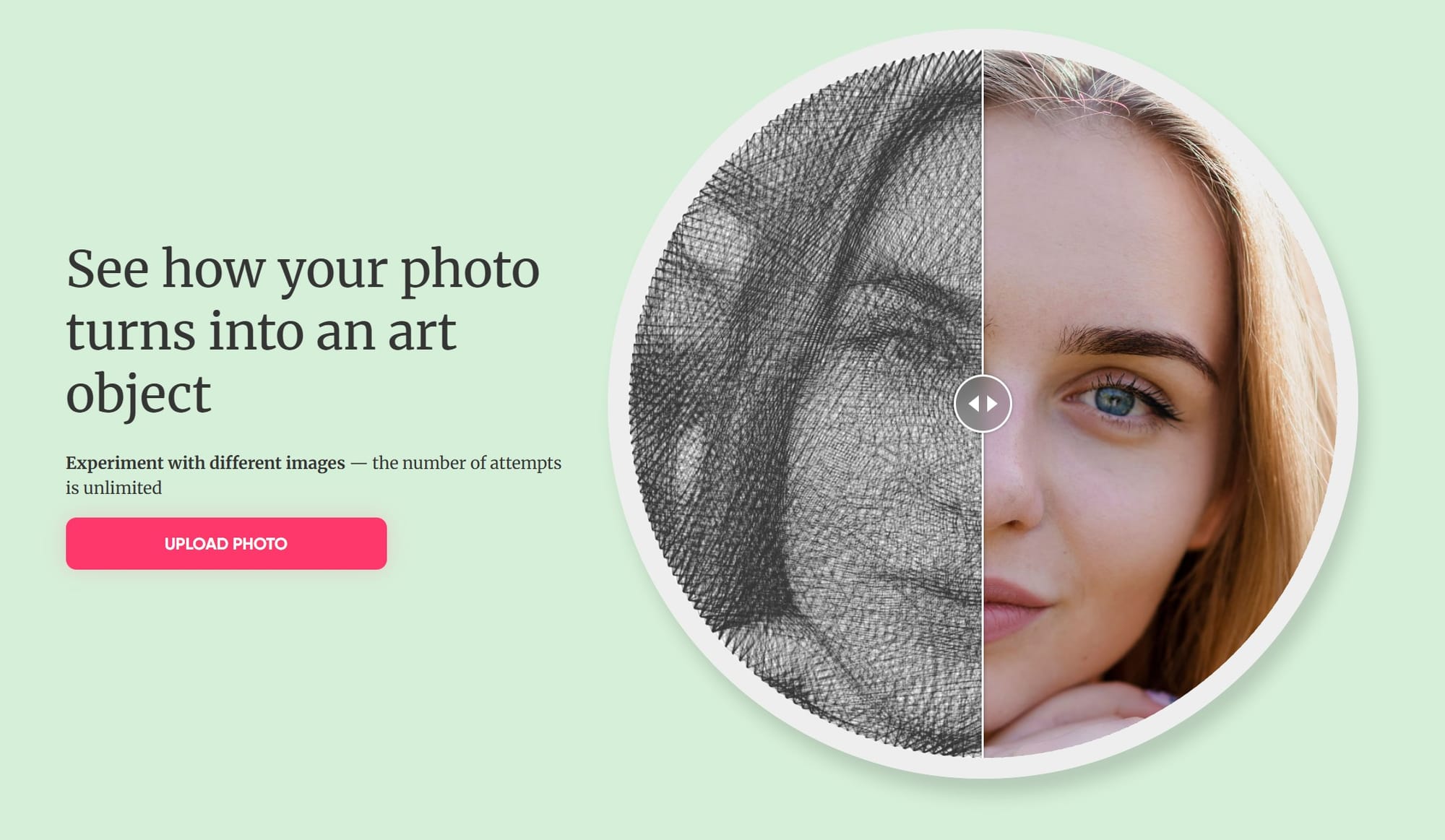
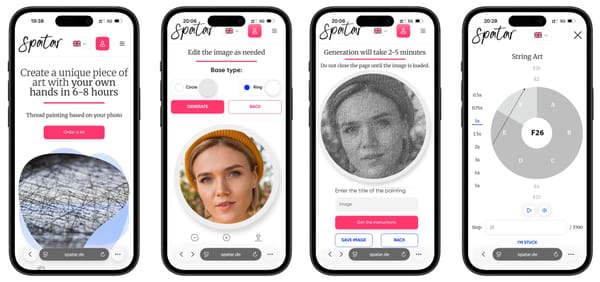
Before production or assembly begins, the portrait can be visualized as a realistic string art rendering. This is not a rough filter overlay. It reflects the actual structural conversion — contrast logic, geometry, density distribution.
Seeing a preview ensures:
- The chosen photo works structurally
- Facial features remain recognizable
- Contrast levels are sufficient
- Composition is centered correctly
Many sellers skip this step because it requires additional development. Generating accurate previews demands computational modeling, not simple image filters.
However, for personalized gifts, previewing is essential. It prevents disappointment and builds confidence before starting the project.
When giving a custom string art portrait as a gift, assurance matters as much as craftsmanship.
String art preview simulation transforms personalization from guesswork into informed creation.
Structured Design, Not Random Thread
String art sits at the intersection of mathematics and memory.
A photograph captures emotion. An algorithm translates light into geometry. Nails define a coordinate system. Thread builds density through calculated repetition.
The final piece feels tactile and handmade because it is. But beneath the physical thread lies digital precision.
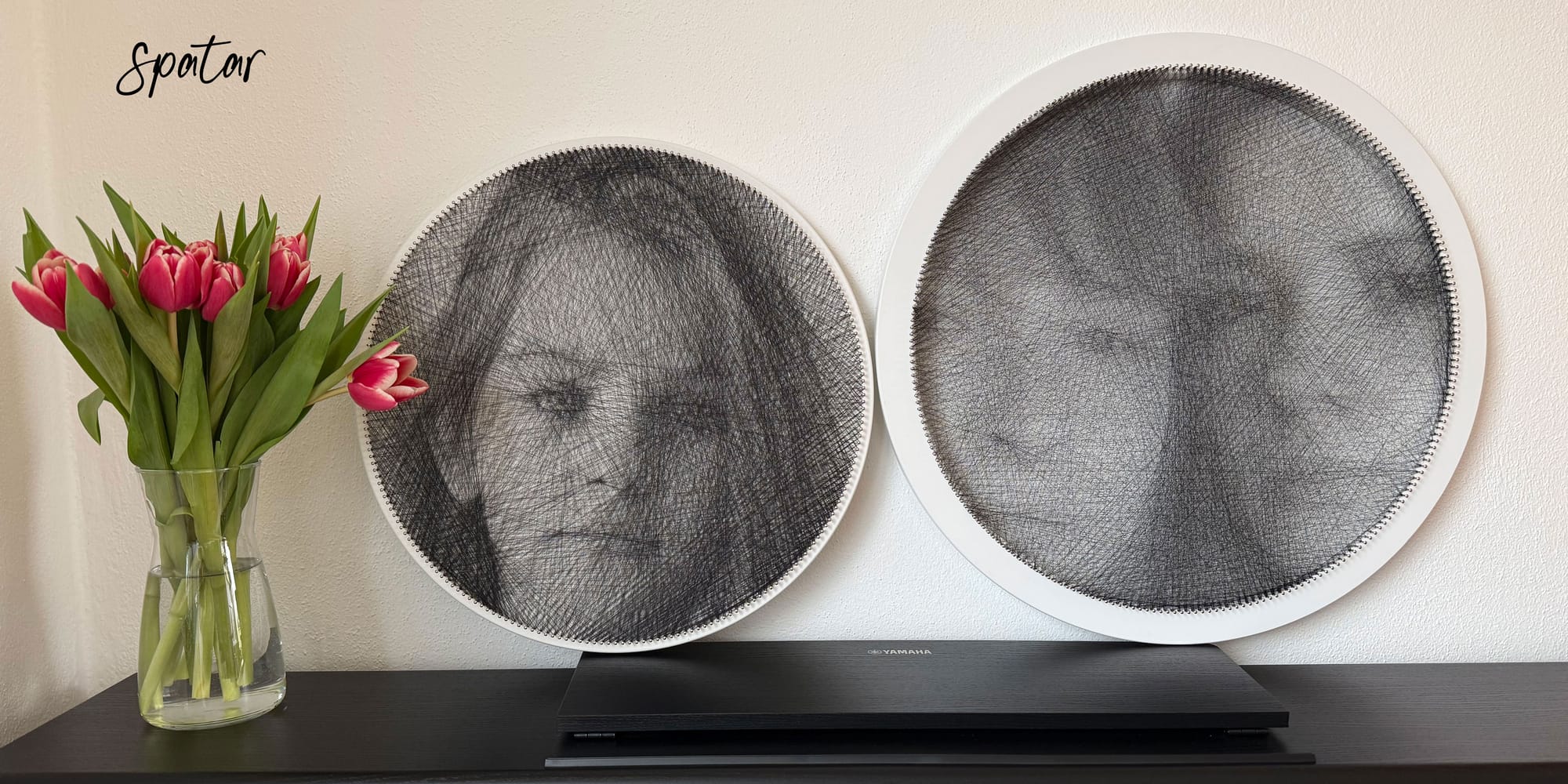
At Spatar, the focus is not on decorative randomness. It is on structured design. Every personalized string art piece is supported by geometry, tonal logic, and engineered symmetry.
A DIY string art kit should not feel generic. It should feel intentional.
If you are considering turning your own image into a custom string art portrait, start by exploring a preview. Upload a photo. Observe how light transforms into lines. See how structure emerges from contrast.
Precision is the foundation. Thread is the medium.
Share this article Share to
Written by
Join the conversation
Pet String Art From Photo: Turning Your Dog or Cat Into Wall Art
What to Do If the Thread Breaks During String Art
How String Art From a Photo Works: From Algorithm to Thread