How to Choose the Right Photo for a String Art Portrait
Choosing the right photo is the most important step in creating a beautiful string art portrait. This guide explains how lighting, contrast, facial angle, and background affect how a photo translates into thread—so your final artwork feels clear, emotional, and refined.
Introduction: Why the Photo Matters More Than You Think
When ordering a custom string art portrait, many people assume that any “nice photo” will translate beautifully into thread and nails. In reality, the source photo plays a decisive role in how clear, emotional, and visually strong the final artwork will be.
String art is not a direct copy of a photograph. It is a precision-based art form that interprets light, shadow, and structure through hundreds or thousands of intersecting lines. Because of this, some images that look great on a phone screen may lose clarity when transformed into string art, while other, simpler photos can produce remarkably powerful results.
The good news is that choosing the right photo for string art is not complicated. With a basic understanding of how string art works and what it “reads” visually, you can confidently select a reference image that leads to a strong, elegant portrait.
This guide explains exactly what to look for—and what to avoid—so your string art portrait feels intentional, emotional, and refined.
How a Photo Becomes a String Art Portrait
To choose the right photo, it helps to understand how a string art portrait is created.
Unlike traditional drawing or painting, string art does not rely on color or fine detail. Instead, the portrait is built from tensioned lines that overlap and intersect. These lines create darker areas where they are dense and lighter areas where they are sparse.
In other words, string art translates contrast, not color.
Light areas of a photo become regions with fewer threads. Shadows and darker transitions are formed by increased thread density. Facial features—eyes, nose, lips, cheekbones—emerge from the relationship between light and shadow, not from outlines.
Because of this, photos with clear lighting, natural contrast, and simple structure consistently produce the best string art results.
Lighting: The Most Important Factor
Lighting is the single most important element when choosing a photo for string art.
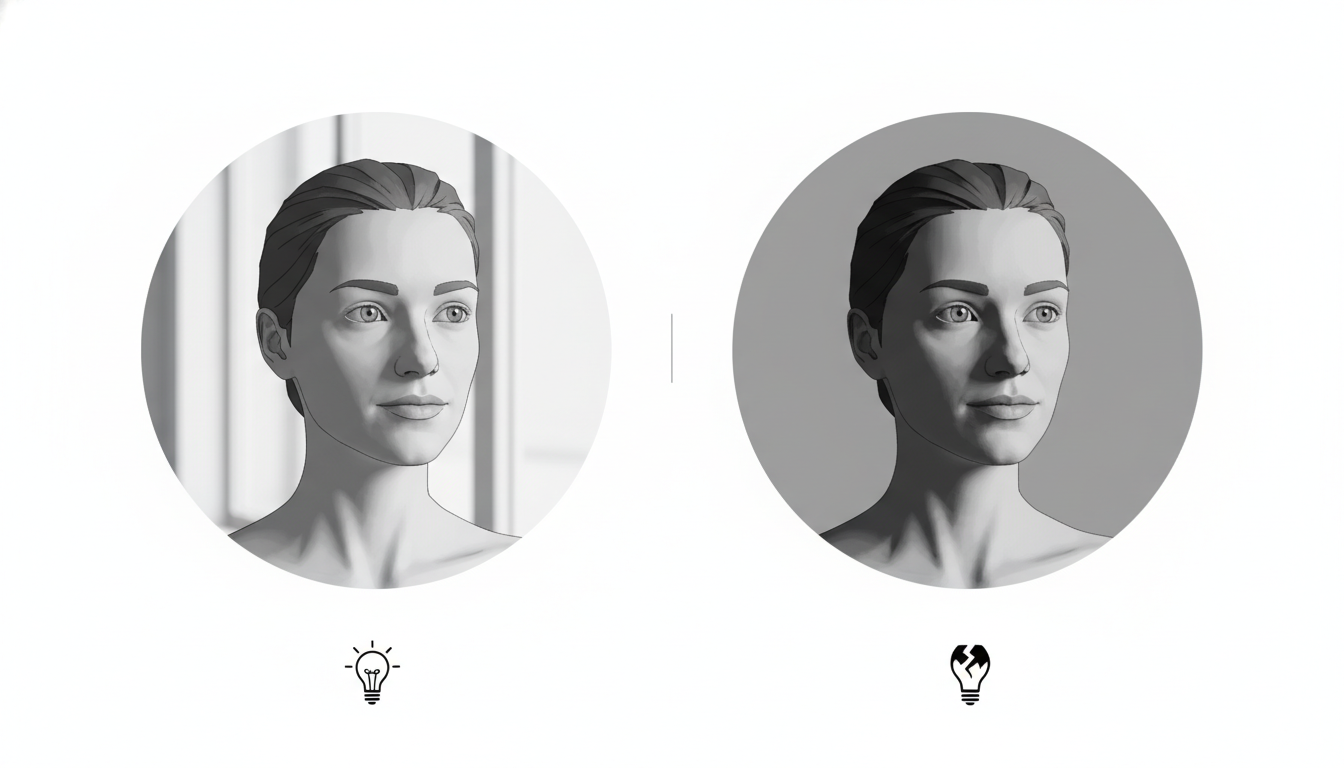
Why Soft, Even Lighting Works Best
Soft, even lighting creates smooth transitions between light and shadow. These transitions are exactly what string art needs to form depth and facial structure.
Natural daylight—especially indirect daylight—is ideal. Photos taken near a window, on a bright but overcast day, or in shaded outdoor areas usually work very well.
Lighting Situations to Avoid
Certain lighting conditions can cause problems when converted into string art:
Harsh shadows
Strong directional light can create deep shadows under the eyes, nose, or chin. In string art, these shadows often become overly dark or distracting.
Overhead lighting
Lights placed above the face can flatten features and produce unnatural shadow patterns.
Backlighting
When the light source is behind the subject, facial details are lost. String art cannot recover details that are not present in the photo.
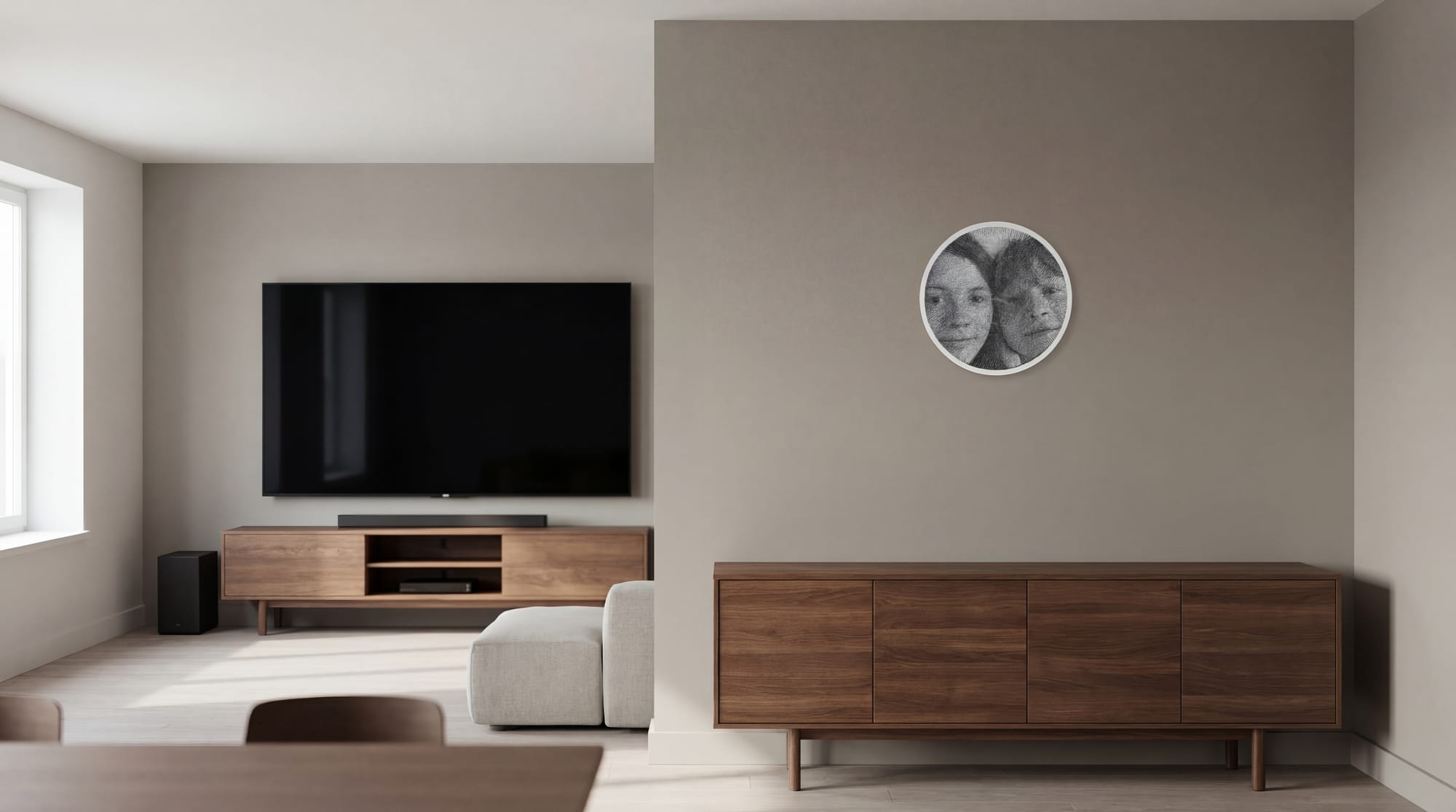
Ideal Lighting in Real-World Terms
A good rule of thumb: if the face looks evenly lit and relaxed, without sharp shadow lines, the lighting is likely suitable for a string art portrait.
Contrast and Clarity
Why Moderate Contrast Is Essential
String art depends on visible differences between light and dark areas. Moderate contrast allows the threads to define facial features clearly without overpowering the image.
Photos with balanced contrast tend to produce portraits with depth, softness, and legibility.
Common Contrast Issues
Overexposed photos
When highlights are blown out, details disappear. The resulting string art may look washed out or incomplete.
Low-contrast images
Images with flat lighting or heavy haze often lack the tonal variation needed for string art. These portraits can appear weak or indistinct once translated into thread.
Think in Black and White
When choosing a photo for string art, imagine it without color. If the face still reads clearly in black and white—with visible eyes, nose, and contours—it is likely a good candidate.
Facial Angle: Straight, Natural, and Calm
Recommended Angles
Front-facing portraits or slightly angled faces work best. These positions preserve symmetry and make facial features easier to interpret through lines.
A subtle turn of the head can add character, but extreme angles often distort proportions in string art.
Why Extreme Angles Are Risky
Strong profiles, dramatic tilts, or wide perspective distortion can cause facial elements to overlap or compress. Since string art relies on cumulative line density, these distortions are amplified rather than corrected.
Expression and Eye Contact
Neutral or softly expressive faces usually translate better than exaggerated expressions. Gentle eye contact creates a stronger emotional connection in a string art portrait than a wide smile or dramatic pose.
Background: Less Is Always More
Why Simple Backgrounds Matter
String art interprets everything in the frame. A busy background competes with the subject for visual attention and introduces unnecessary lines into the portrait.
Plain or softly blurred backgrounds allow the face to remain the focal point.
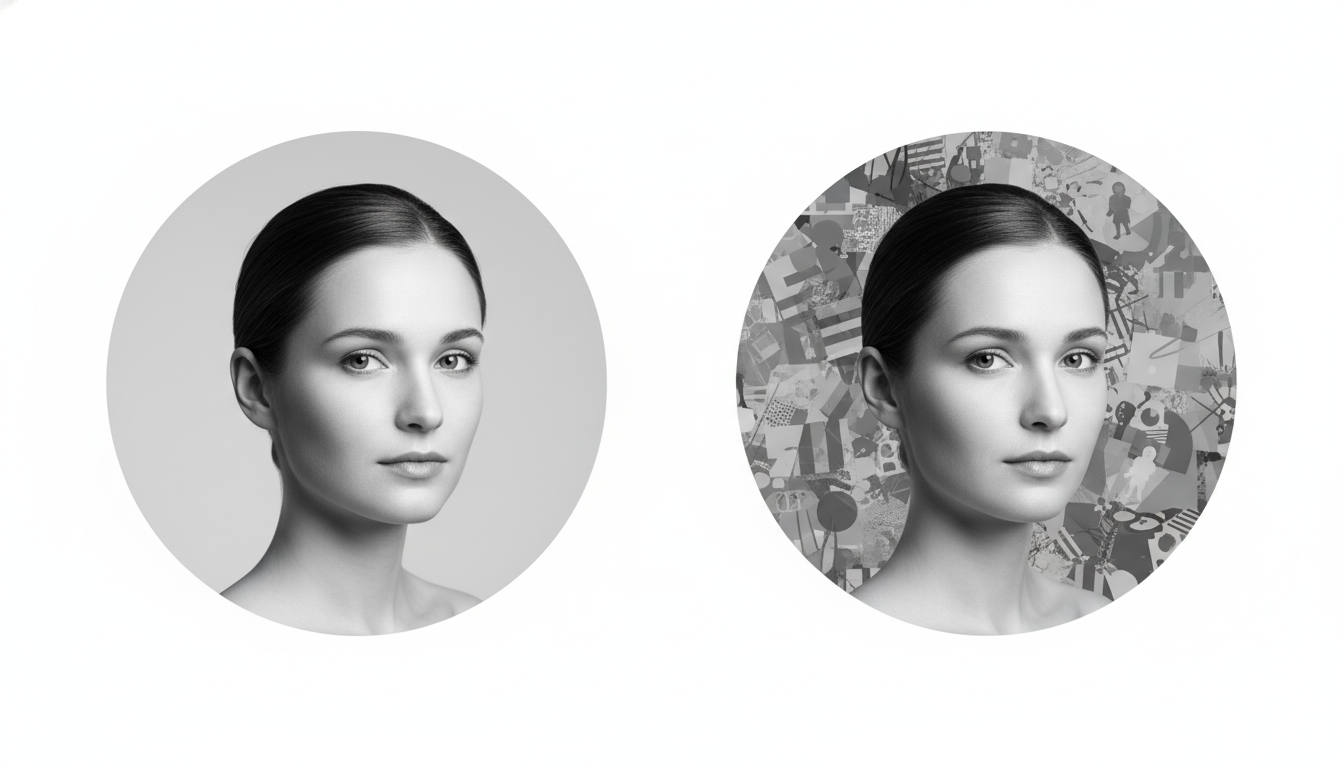
Recommended Background Types
- Plain walls
- Neutral indoor spaces
- Soft natural environments without sharp contrast
- Subtle depth-of-field blur
Background Separation
Clear separation between the subject and the background helps the portrait stand out. When the background blends into hair or clothing, the final string art may lose definition around the edges.
Single Person vs. Group Photos
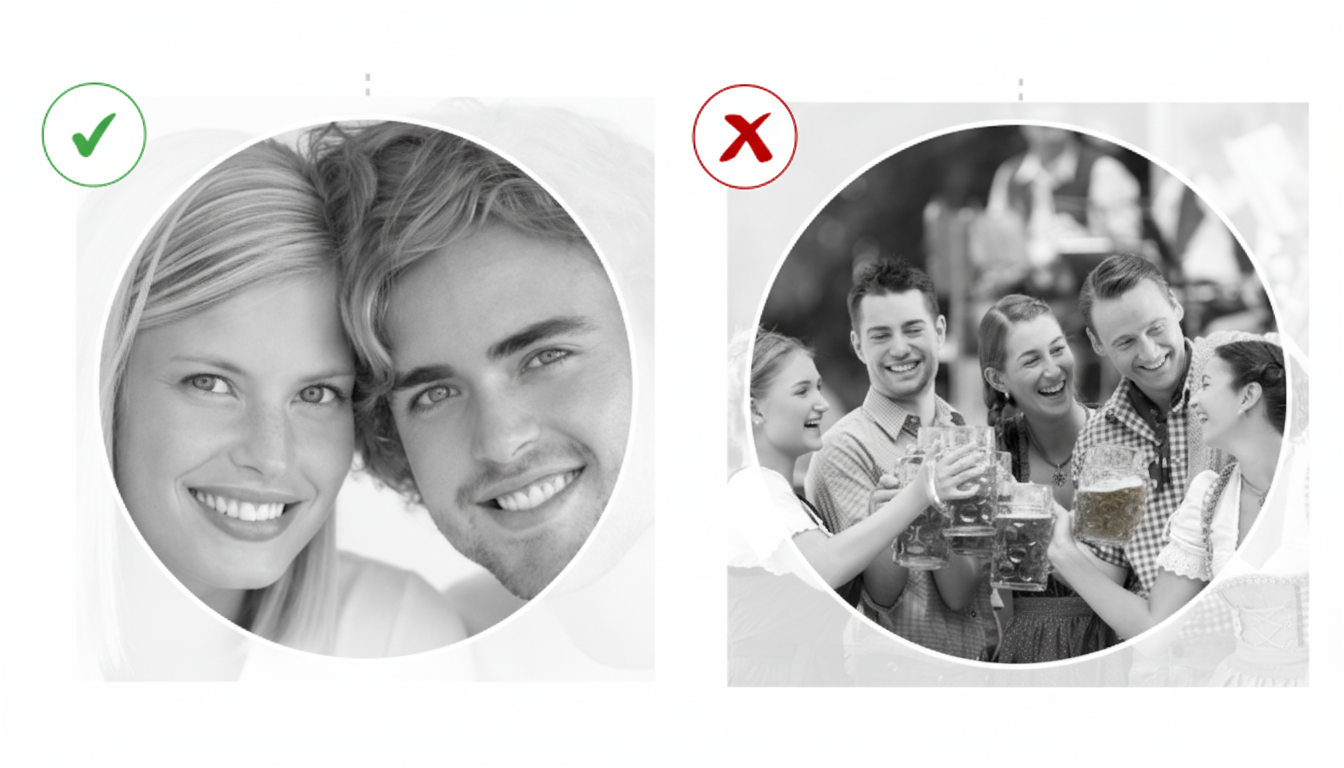
Why Single Subjects Work Best
Single-person portraits provide maximum clarity and control. Lighting, contrast, and expression are consistent across the face, resulting in a cleaner string art portrait.
Couples and Two-Person Photos
Couple portraits can work well if:
- Both faces are evenly lit
- Heads are close together
- Facial sizes are similar
- Expressions are calm and natural
Challenges With Larger Groups
Group photos introduce several difficulties:
- Different lighting on each face
- Overlapping features
- Reduced facial detail per person
For string art, large groups are usually unsuitable unless the artwork is intentionally abstract.
Common Photo Mistakes to Avoid
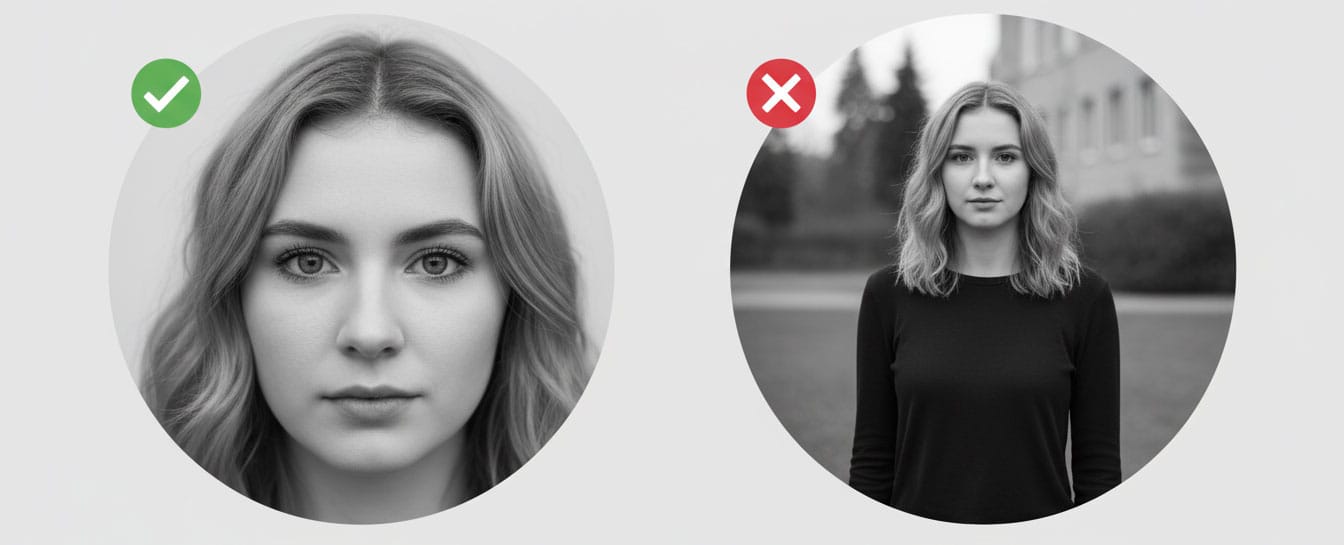
Some issues appear minor in a photo but significantly affect string art results.
Sunglasses or hats covering the eyes
Eyes are critical for emotional impact. Covered eyes reduce connection and clarity.
Strong smiles or exaggerated expressions
Extreme expressions distort facial structure and can look unnatural when formed by lines.
Filters and heavy editing
Artificial contrast, smoothing, or color grading interferes with natural light-shadow relationships.
Low-resolution images
Blurry or pixelated photos lack the detail needed for precise line interpretation.
Cropped or partially hidden faces
Missing features cannot be reconstructed through string art.
Photos That Work Surprisingly Well
Many people are surprised to learn that professional studio photos are not required.
Simple phone photos often work beautifully—especially when taken:
- Near a window
- Indoors with daylight
- In calm, natural moments
Natural expressions frequently outperform heavily posed images. A relaxed face with honest lighting almost always translates better into string art than a stylized portrait.
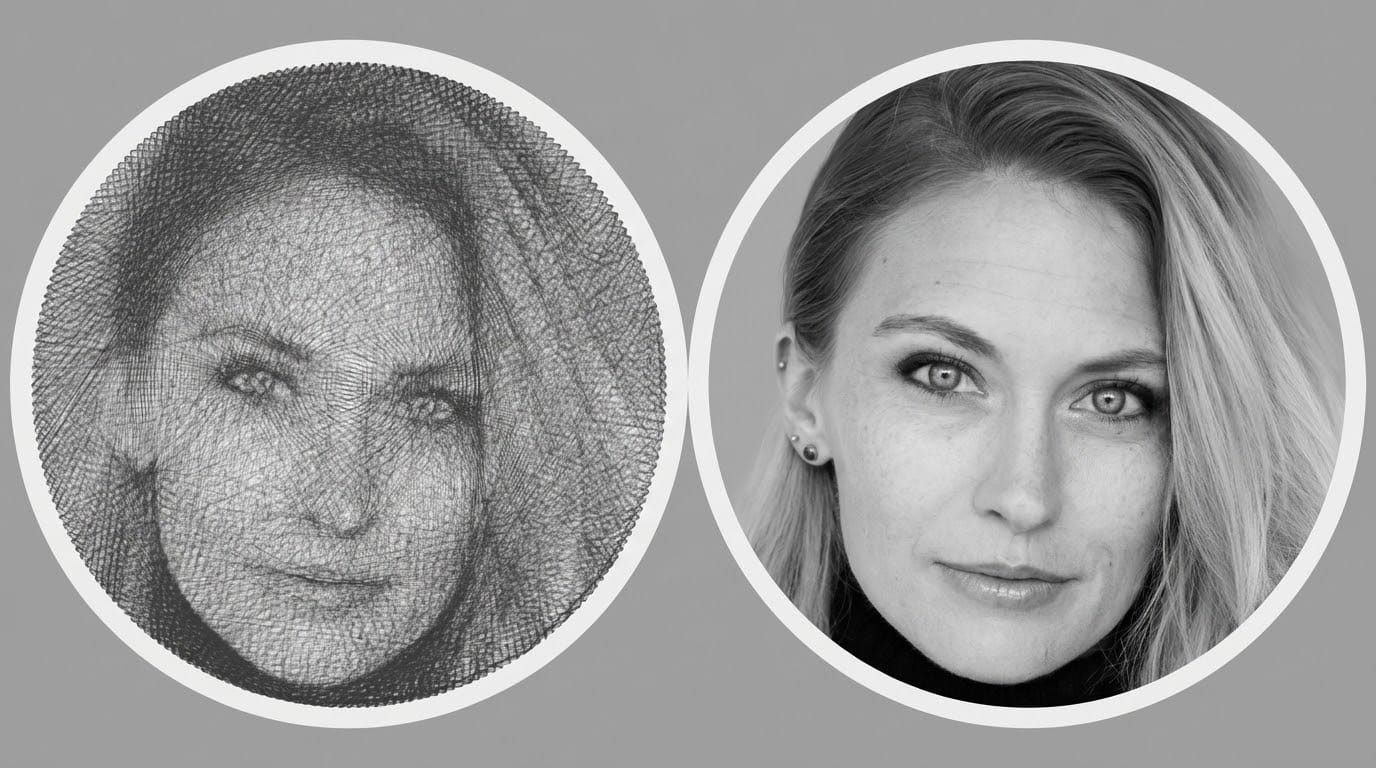
Choosing a Photo for Emotional Impact
Beyond technical quality, emotion plays a central role in a string art portrait.
Calm expressions, gentle eye contact, and simplicity allow viewers to engage emotionally with the artwork. Because string art is inherently abstract, subtlety often feels more powerful than drama.
Clarity supports emotion. When facial features are readable and balanced, the portrait feels intentional rather than decorative.
What If You’re Unsure?
Uncertainty is completely normal—especially if you are ordering string art from a photo for the first time.
If you are choosing between several images:
- Select the one with the softest lighting
- Favor the calmest expression
- Choose the simplest background
When in doubt, clarity is always the safest choice.
Conclusion: A Strong Portrait Starts with a Strong Photo
A successful string art portrait begins long before the first nail is placed. The right photo provides the structure, contrast, and emotion that allow the artwork to feel refined and timeless.
Remember the core principles:
- Soft, even lighting
- Clear contrast
- Simple background
- Natural facial angle
By choosing the right photo for string art, you ensure that your custom string art portrait is not only visually strong, but emotionally resonant—an artwork that feels intentional, personal, and enduring.
Share this article Share to
Written by
Join the conversation
Pet String Art From Photo: Turning Your Dog or Cat Into Wall Art
What to Do If the Thread Breaks During String Art
How String Art From a Photo Works: From Algorithm to Thread