What Is String Art? A Modern Guide for Beginners
String art combines precision, creativity, and design. From digital pattern planning to finished wall portraits, discover how handcrafted string art transforms simple materials into modern home decor.

Introduction
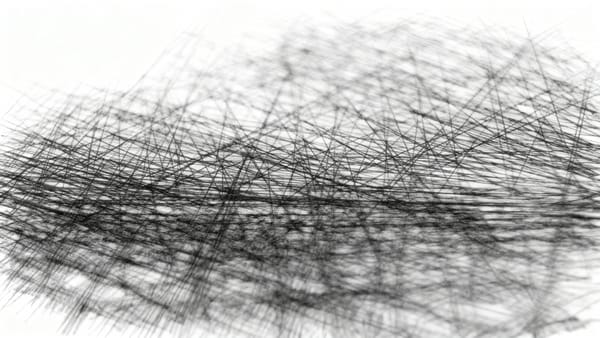
At its simplest, string art is a technique for creating images by stretching thread between fixed points. At its most refined, it is a contemporary form of wall art that combines geometry, material precision, and visual restraint. Once associated mainly with hobby projects and classroom demonstrations, string art has experienced a quiet resurgence—this time within modern interiors, minimalist spaces, and design-conscious homes.
Today’s renewed interest is not driven by nostalgia alone. Modern string art aligns naturally with current design values: clarity of form, reduced color palettes, tactile materials, and artworks that reveal their structure rather than conceal it. For beginners encountering string art for the first time, this evolution can be both intriguing and slightly confusing. Is it a craft, an art form, or something in between?
This guide is written to answer that question clearly. You will learn what string art is, where it comes from, how modern string art differs from classic DIY versions, and why it has earned a place among contemporary wall art. The goal is not to teach technique in detail, but to provide understanding—context that allows beginners to approach string art with confidence and informed curiosity.
What Is String Art?
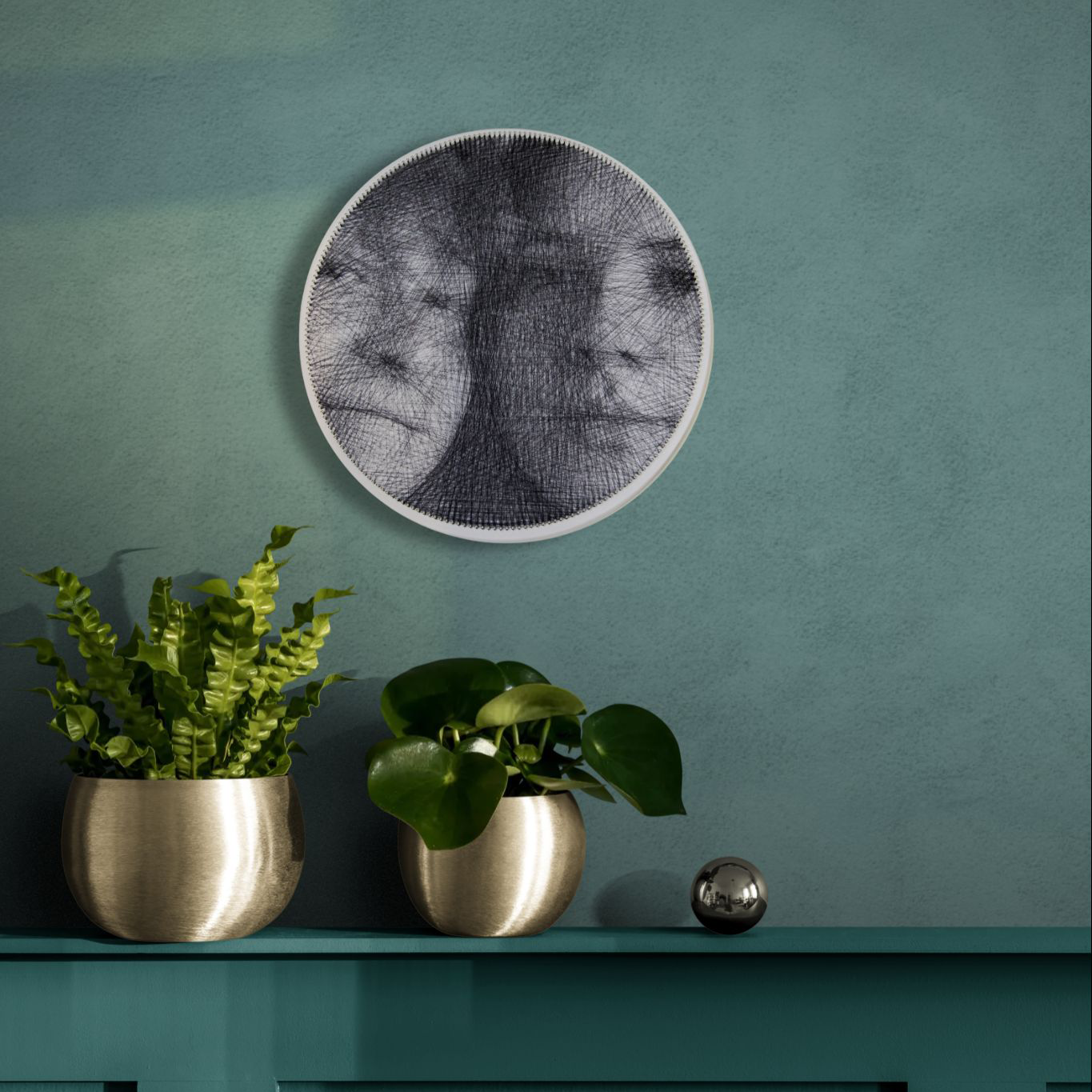
String art is a method of image-making in which a design is formed by stretching thread between nails or pins fixed into a solid base. The individual lines of string are straight, but when layered and repeated, they create the visual impression of curves, gradients, shadows, and depth.
Three core components define any string art piece:
The base is typically a wooden board, panel, or framed surface. It provides structural stability and determines the scale and presence of the final artwork. In modern string art, the base is often carefully selected for texture, color, and finish, becoming an integral part of the composition rather than a neutral support.
Nails or pins act as anchor points. Their placement defines the geometry of the image. The spacing, density, and precision of these points have a significant impact on the visual outcome. In contemporary works, nails are often small, uniform, and arranged with high accuracy.
The string or thread is the drawing medium. As it is wrapped and tensioned between points, it builds layers of lines. These layers overlap, intersect, and accumulate, forming shapes that appear curved or shaded despite being constructed entirely from straight segments.
The defining characteristic of string art is this optical effect. The eye blends many straight lines into smooth contours and tonal transitions. What appears soft or curved is, upon closer inspection, highly structured and linear. This tension between simplicity of means and complexity of result is central to the appeal of string art, particularly in its modern form.
The Origins of String Art
The roots of string art lie not in decoration, but in mathematics and education. In the late nineteenth and early twentieth centuries, educators used string-based diagrams to help students visualize mathematical relationships, especially curves generated from straight lines. By connecting points along two axes with thread, it became possible to demonstrate parabolas and other complex forms in a tangible way.
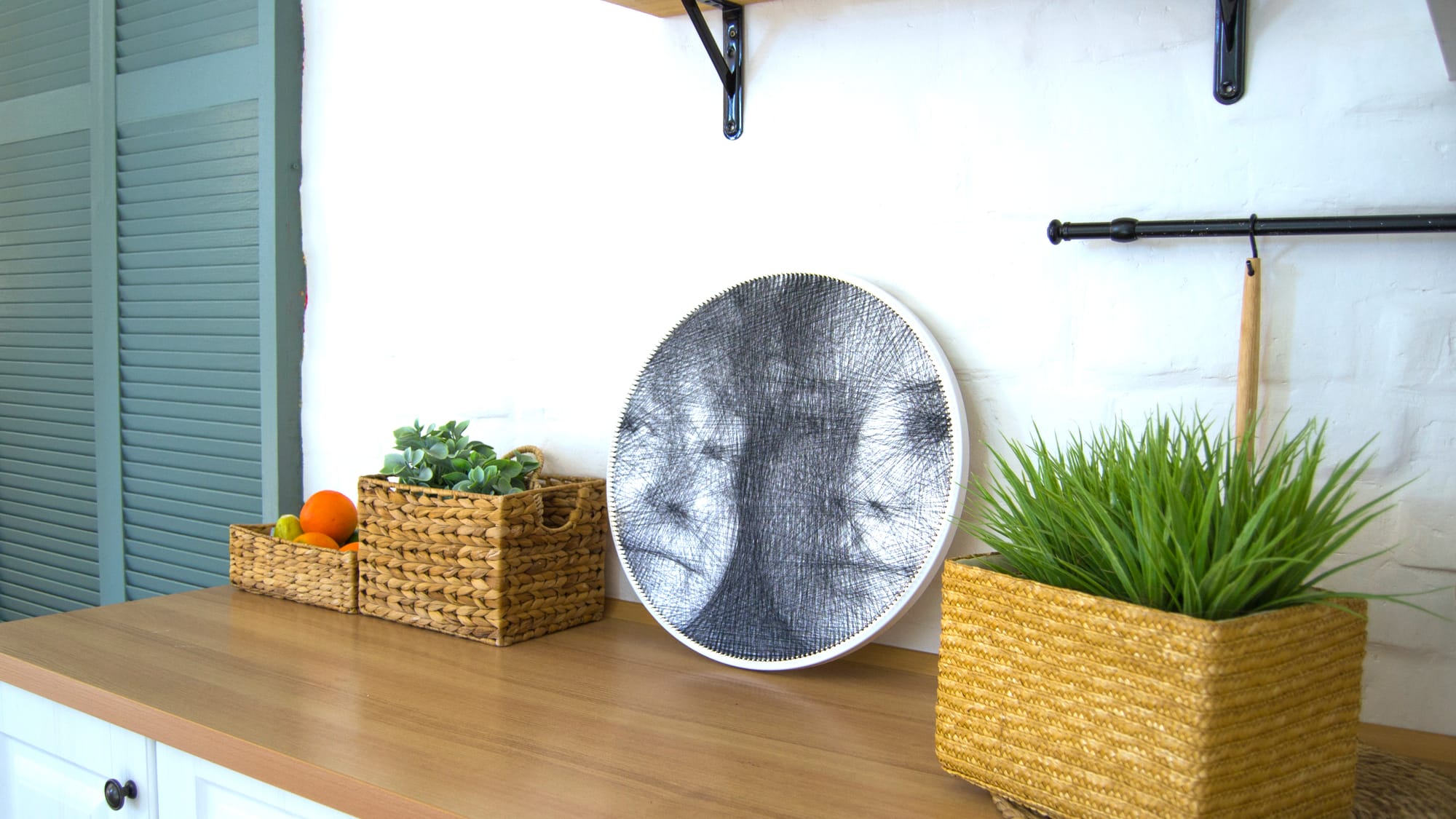
These early string constructions were functional and instructional. They were not intended as artworks, but as tools—physical models that made abstract concepts visible. Over time, however, their visual qualities became apparent. The interplay of line density, rhythm, and symmetry attracted attention beyond the classroom.
By the mid-twentieth century, string art began to appear in decorative contexts. It was embraced as a creative pastime, particularly in domestic settings, where its accessibility and low material cost made it appealing. This transition from educational method to decorative craft marked the beginning of string art’s broader cultural presence.
Modern string art builds on this foundation but reinterprets it through a design-oriented lens, drawing once again on its mathematical origins while refining its visual language.
Classic DIY String Art
Traditional DIY string art is likely what many people first imagine when they hear the term. It is characterized by visible materials, bold colors, and straightforward motifs. Thick wooden boards serve as bases, often left raw or lightly stained. Nails are spaced relatively far apart and remain clearly visible as individual elements. Bright yarn or embroidery thread is wrapped between them in simple patterns.
Common designs include hearts, stars, initials, words, basic animals, and geometric outlines. These projects became popular because they are approachable. They require limited tools, minimal planning, and offer immediate creative satisfaction. For many, classic string art serves as an introduction to making things by hand.
The strengths of this approach lie in its accessibility and expressiveness. It encourages experimentation and personal interpretation. However, it also has limitations. The visual language is often decorative rather than refined. Thick yarn restricts detail, and wide nail spacing limits tonal subtlety. As a result, classic DIY string art tends to read clearly as craft rather than as wall art intended to integrate with modern interiors.
Understanding these limitations helps clarify why modern string art developed along a different path.
How Modern String Art Differs from Classic DIY Versions
The most significant distinction between classic and modern string art lies in intention. While traditional DIY projects emphasize creativity through improvisation, modern string art prioritizes planning, precision, and restraint.
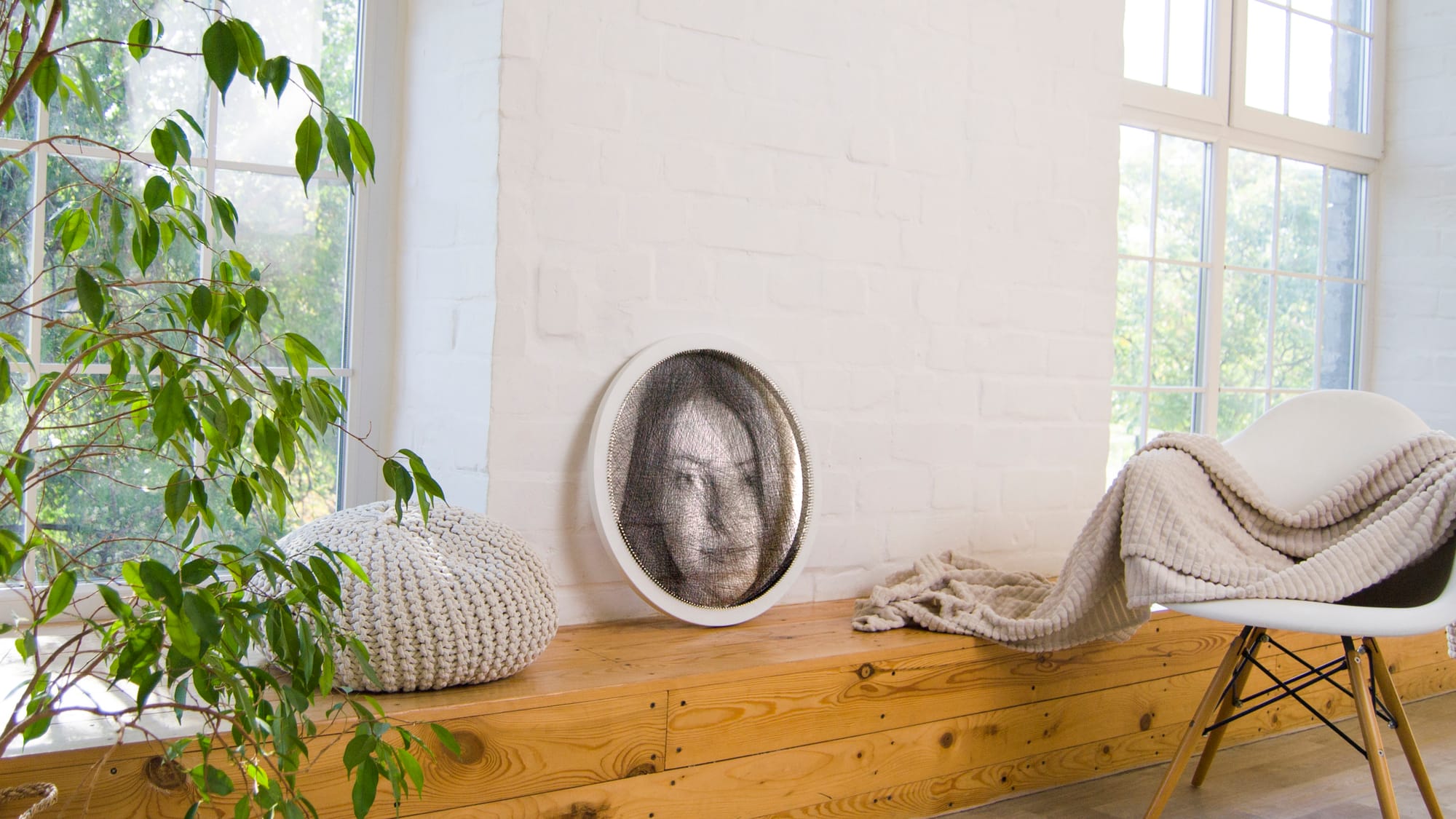
Visually, the difference is immediate. Modern string art adopts a minimalist aesthetic. Instead of bright colors and decorative motifs, it often relies on monochrome or neutral palettes. Black, white, natural wood tones, and subtle contrasts dominate. This reduction allows form, structure, and light to become the primary visual elements.
Material choices also shift. Thin, high-quality thread replaces thick yarn. This enables higher line density and finer detail. When hundreds or thousands of lines are layered closely together, they create smooth gradients and delicate transitions that are impossible with heavier materials.
Nail placement becomes more sophisticated. Modern works typically feature a much higher number of nails, positioned with careful accuracy. The spacing between points is reduced, allowing for complex images, including portraits and intricate abstract forms. Rather than being visually prominent, nails recede into the overall structure.
Design complexity increases accordingly. Where classic string art favors simple shapes, modern string art explores faces, figures, and nuanced compositions. These images are not improvised. They are planned in advance, often using digital layouts or structured mapping to determine the sequence of connections.
This emphasis on precision aligns modern string art with architectural and graphic design principles. Every line serves a purpose. The process is methodical, and the outcome is intentional. The result is work that feels calm, balanced, and considered—qualities associated with contemporary design rather than hobby crafts.
String Art as Contemporary Wall Art
In modern interiors, wall art is expected to do more than fill space. It contributes to atmosphere, scale, and emotional tone. Modern string art meets these expectations by offering both visual interest and material honesty.
Because it is constructed from real materials—wood, metal, thread—it introduces texture without visual clutter. The open structure allows light to pass through and interact with the work. Shadows shift throughout the day, subtly changing the perception of depth and contrast. This dynamic quality gives string art a presence that flat prints or posters lack.
Portrait string art, in particular, carries emotional weight. Faces rendered through intersecting lines appear simultaneously present and fragmented. From a distance, the image feels cohesive and recognizable. Up close, it dissolves into abstraction. This duality invites longer viewing and reflection.
In minimalist spaces, such qualities are especially valued. Modern string art complements clean lines and restrained palettes without overwhelming them. It functions comfortably alongside other contemporary wall art forms, such as photography, abstract painting, and sculptural reliefs.
Importantly, it does so without relying on decorative excess. Its impact comes from structure, repetition, and light—elements that resonate with modern design sensibilities.
Is String Art Art or Craft?
The question of whether string art is art or craft has accompanied it throughout its history. The distinction itself is often unhelpful, as many creative practices exist along a spectrum rather than within fixed categories.
Traditional string art clearly aligns with craft. It emphasizes making by hand, accessibility, and personal expression. Modern string art, however, incorporates elements typically associated with fine art and design: conceptual planning, precision, repetition, and an awareness of spatial context.
In contemporary practice, some string art works are generated through structured systems or algorithms that determine line paths and densities. While the execution remains manual, the underlying logic is often carefully designed. This combination of human labor and systematic planning blurs conventional boundaries.
Rather than resolving the debate, it is more accurate to recognize that modern string art occupies a space between art and craft. It draws from both traditions, borrowing the tactility of craft and the intentionality of art. This hybrid identity is part of its relevance today.
Who Is String Art For Today?
String art appeals to a diverse audience precisely because of its range.
For beginners, it offers a clear entry point into structured creativity. Understanding the principles behind string art can be as rewarding as producing a finished piece. The process encourages patience and attention, qualities that are increasingly valued.
Design-oriented homeowners appreciate modern string art as a form of string art wall art that integrates seamlessly into contemporary spaces. Its material presence and subtle complexity align with thoughtful interior design.
In family and children’s rooms, string art can function as both decoration and quiet visual stimulation. Its patterns and textures invite observation without overstimulation.
Gift buyers are drawn to string art for its balance of meaning and restraint. Whether abstract or representational, it carries a sense of care and time invested.
Collectors of contemporary decor value string art for its distinctiveness. It is neither mass-produced nor overly expressive, occupying a niche that feels personal yet refined.
Getting Started with String Art
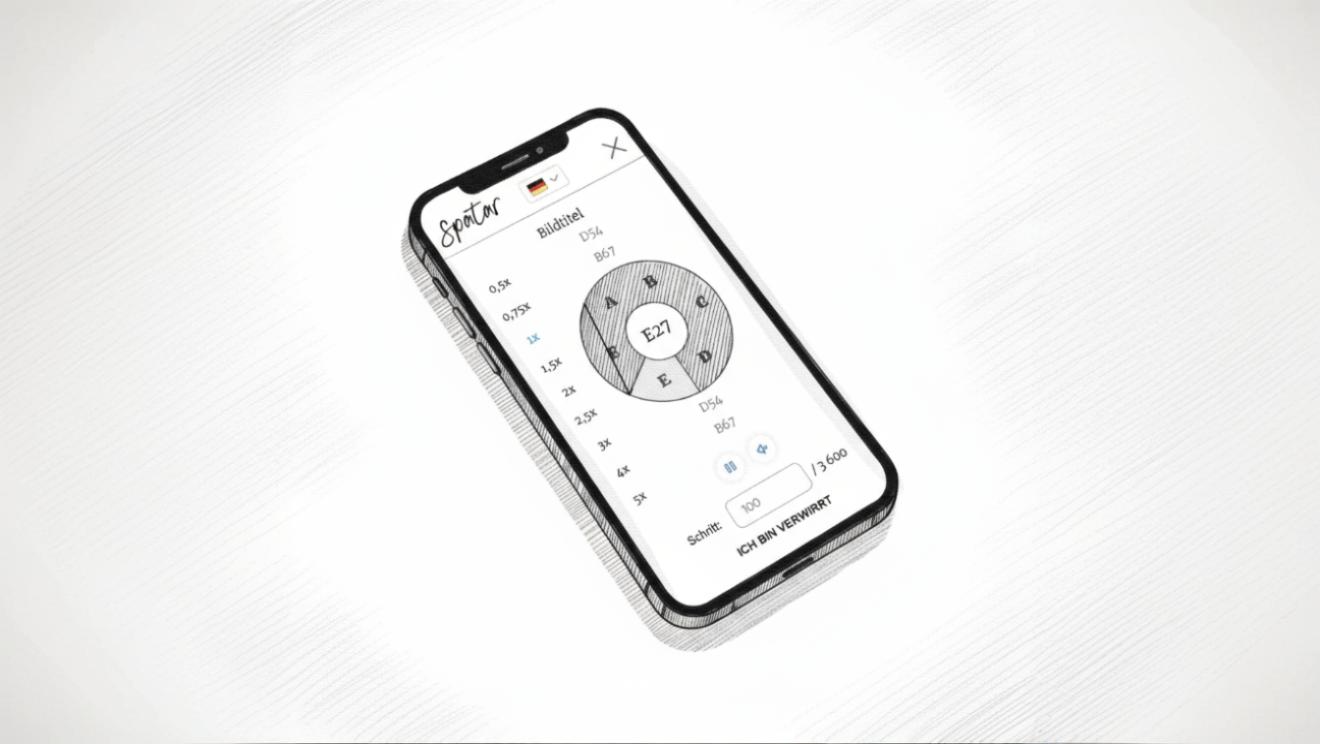
For those interested in exploring string art for beginners, the entry point does not need to be technical or intimidating. The first step is understanding the medium rather than mastering technique.
Some choose to begin with guided DIY kits that provide structured designs and materials. Others prefer to start by studying finished artworks to understand how line density, spacing, and color affect perception. Both approaches are valid.
It is also possible to engage with string art simply as an observer, appreciating it as contemporary wall art without the intention of making it. This perspective reinforces the idea that string art is not defined solely by the act of creation, but by the visual and spatial experience it offers.
Conclusion
So, what is string art today? It is a practice rooted in mathematics and education, transformed through craft, and refined by contemporary design. While classic DIY string art emphasizes accessibility and decoration, modern string art focuses on precision, restraint, and intentional form.
For beginners, understanding this distinction is essential. It frames string art not merely as a pastime, but as a thoughtful medium capable of producing lasting, meaningful work. Whether approached as a creative practice or appreciated as string art wall art, modern string art invites a slower way of seeing—one built line by line, tension by tension.
In an age of instant images, that quiet construction may be its most compelling quality.
Share this article Share to
Written by
Join the conversation
Pet String Art From Photo: Turning Your Dog or Cat Into Wall Art
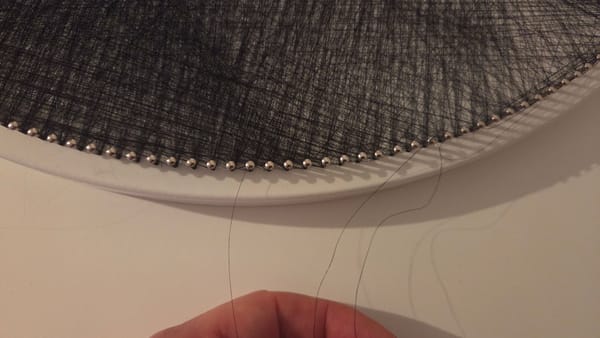
What to Do If the Thread Breaks During String Art
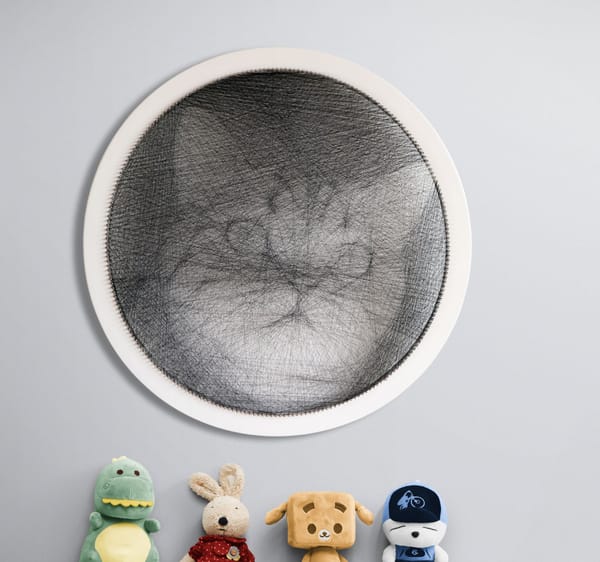
How String Art From a Photo Works: From Algorithm to Thread