What to Do If the Thread Breaks During String Art
A broken thread does not ruin your string art. Learn how to fix snapped thread with a small double knot, repair finished pieces, and recover lost steps during assembly.
If you are making string art for the first time, a broken thread can feel much worse than it really is. You’re focused, the design is starting to appear, and then suddenly the thread snaps, tangles, or you lose track of where you are in the sequence. In that moment, it can seem like the whole artwork is ruined.
But in almost every case, it is not.
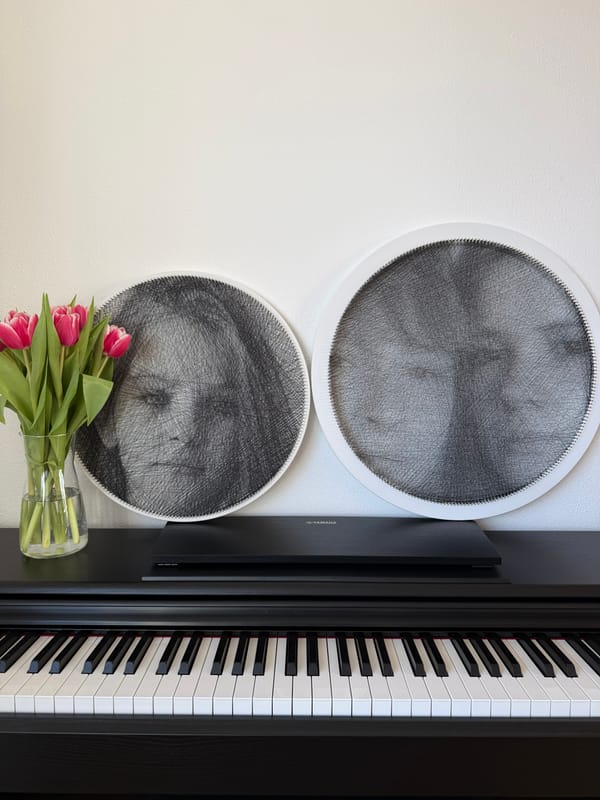
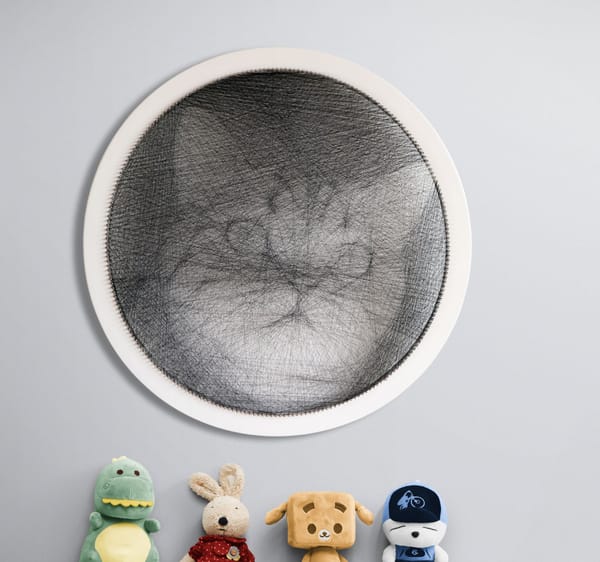
That is one of the most important things to understand about string art. A typical Spatar artwork is built from more than 3000 winding steps. The final image does not depend on one single perfect line. It appears gradually through thousands of overlapping threads working together. Because of that, small imperfections usually disappear into the finished design.
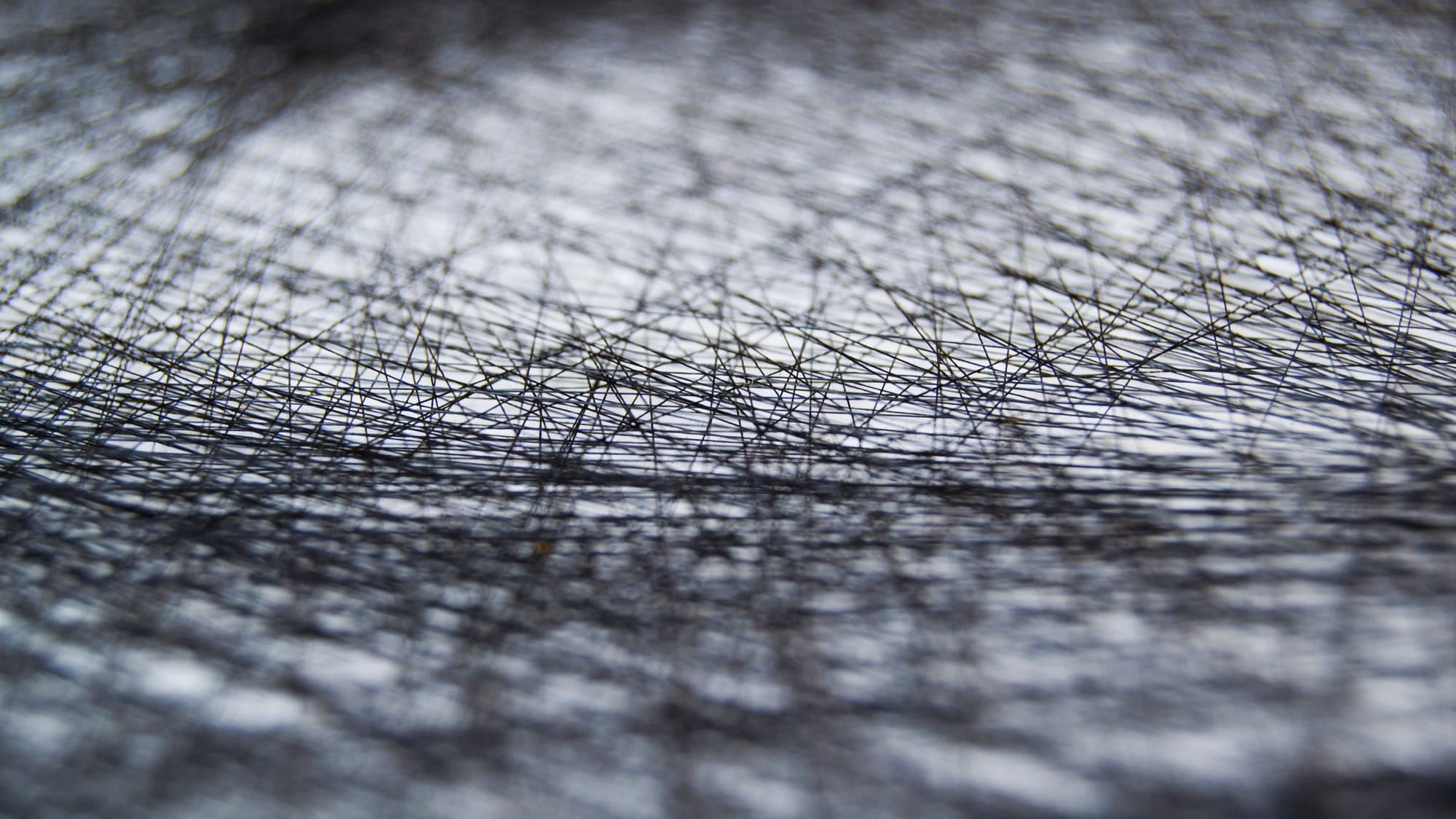
A tiny knot, a short broken section, a few missing lines, or even a brief moment of confusion in the pattern usually has no visible effect once the piece is complete. So if something went wrong, do not panic. In string art, small interruptions are normal.
Why Threads Sometimes Break
Threads can break for all kinds of ordinary reasons, even when you are doing everything correctly.
Sometimes the cause is simple tension. If the thread is pulled a little too tightly around the nails, it can weaken and snap. Sometimes it catches on a nail edge or rubs against one point more than expected. In other cases, the thread may have a slightly weaker section from manufacturing that only becomes noticeable once you are already working.
Twisting can also be part of the problem. During longer winding sessions, the thread may start turning in on itself. When that happens, it can tighten unevenly, form knots, or become more likely to break.
So if the thread snapped, that does not mean you failed. It happens in many large string art projects, especially detailed ones with thousands of steps.
The Simple Fix: Tie a Small Knot
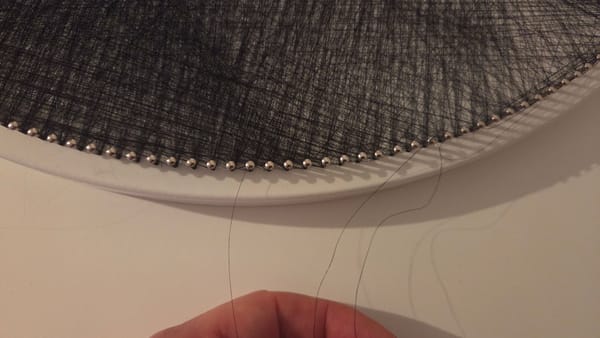
The easiest fix is usually simple: tie a small double knot around a nearby nail and continue winding.
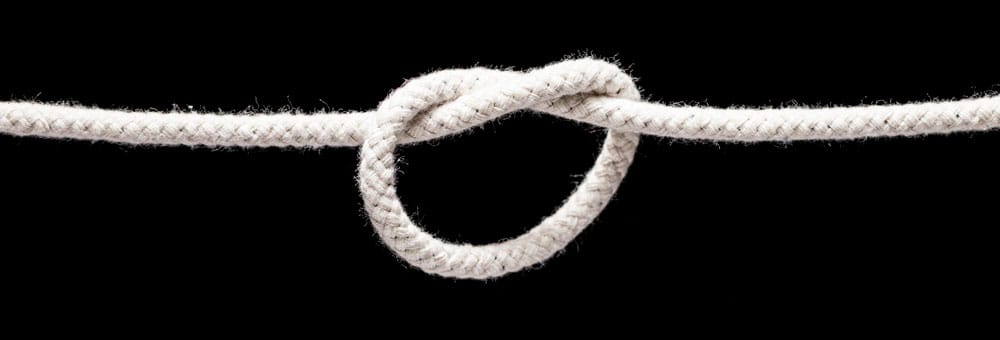
If the thread breaks during assembly, take the two ends and tie them together with a neat, tight double knot. Try to keep it small, but do not overthink it. In dense string art, tiny knots are usually hidden naturally among the many crossing lines.
Once the knot is secure, continue following the instructions from the next step.
In fact, many experienced makers do this on purpose from time to time. A small double knot every 100 steps or so is completely normal. It helps keep the thread manageable and reduces the stress of relying on one long uninterrupted section for too long.
So if your thread broke and you tied it properly, you did not damage the artwork. You just continued the way many experienced people do anyway.
What If Several Threads Break During Assembly?
This is another situation that sounds worse than it really is.
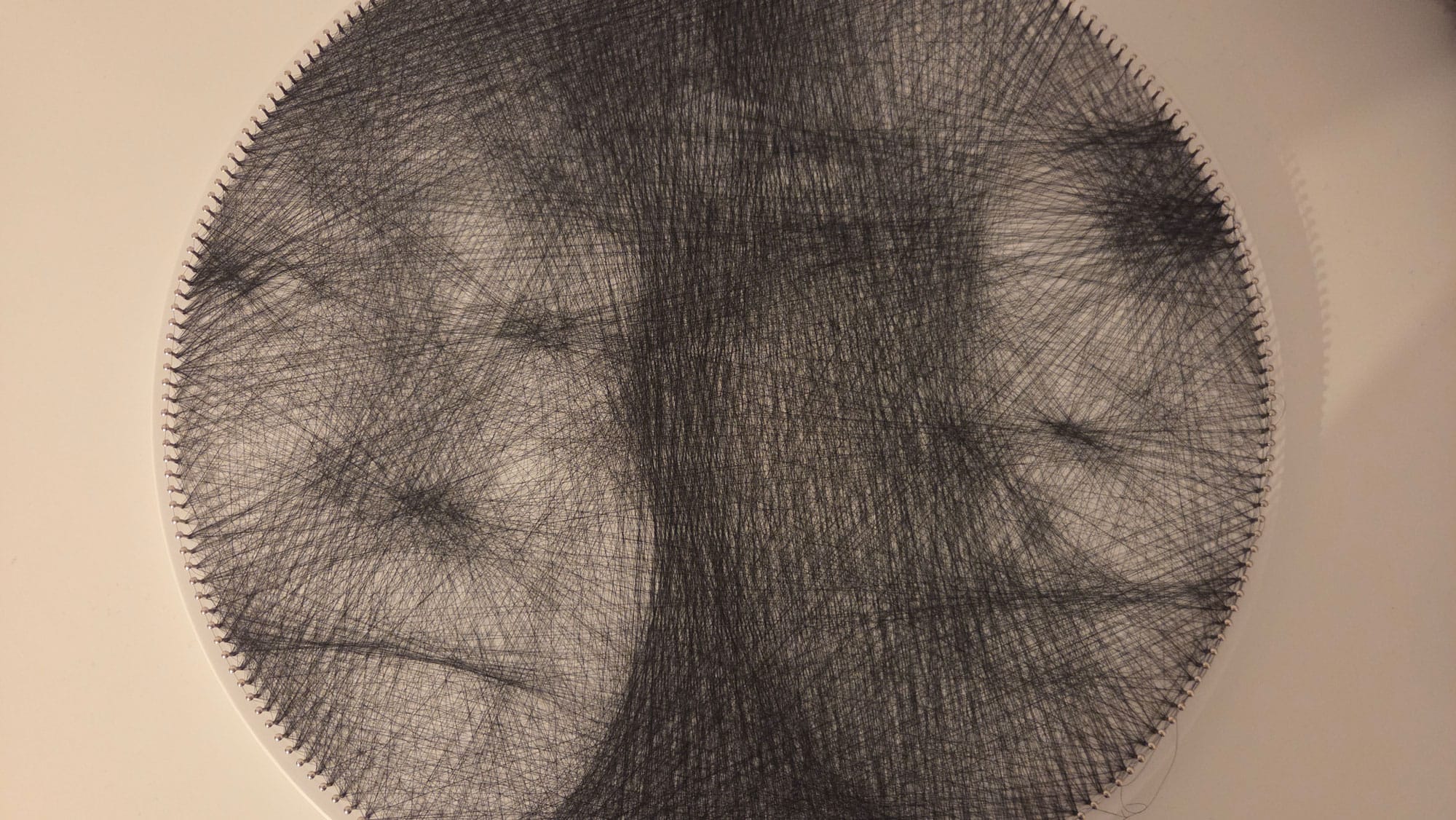
Even if several thread sections break while you are working, the finished image will still usually look completely fine. String art is not based on a few isolated lines. It works because thousands of lines overlap and build contrast together. That means the visual effect comes from the full structure, not from each single thread being perfect.
So if 10 to 20 short thread segments are lost, tied, or slightly imperfect, the final picture will still look correct.
That can be hard to believe when you are sitting close to the artwork and watching every detail. But once the image is complete and viewed normally, those tiny interruptions disappear into the larger pattern. The eye reads the whole portrait, not every individual crossing point.
Perfection is simply not required here.
What If Several Strings Break on a Ready String Art Piece?
This is important too, because sometimes the artwork is already finished and hanging, and later one or several strings become broken.
The good news is that this can often be repaired very simply.
If a few strings break on a ready string art piece, you can usually fix them by making small knots on the remaining loose ends. As long as you can catch the broken ends, tie them carefully and keep the knot small. In most cases, it will not be visible in the final image, especially because the artwork already contains thousands of lines layered over one another.
Even if several strings are affected, the portrait usually still looks the same from a normal viewing distance.
That is because the design is visually dense. A ready string art image is built from so many overlapping paths that small repairs blend in very well. So if a few strings on a finished piece snap over time, it does not mean the artwork is ruined or needs to be remade from the beginning.
Usually, a careful knot repair is enough.
If You Lose Track of the Steps
Getting lost in the sequence is also completely normal.
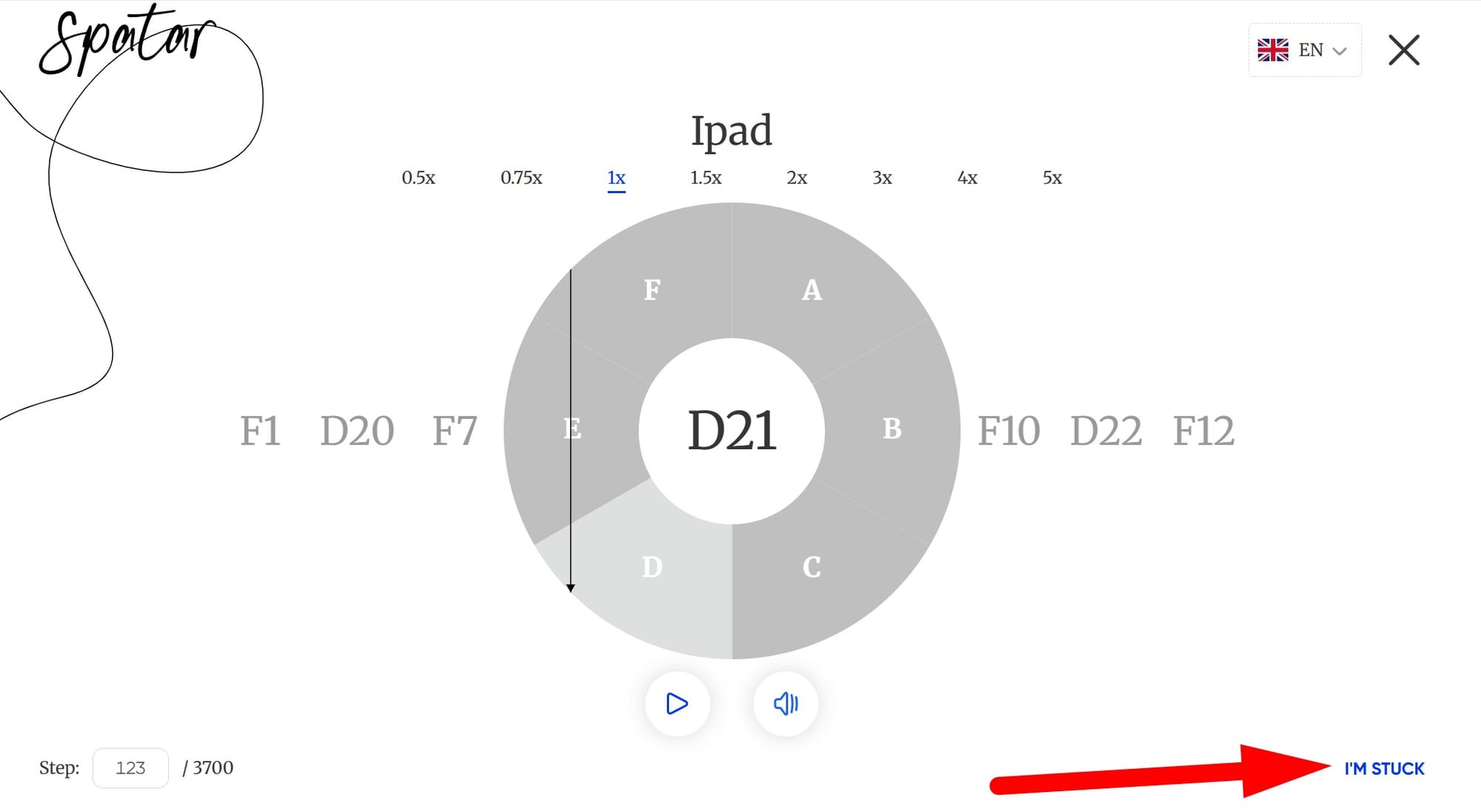
It often happens when you pause and come back later, or when the work becomes rhythmic and you suddenly realize you are no longer fully sure where you are. Sometimes you may know roughly what happened but not the exact last move. That is frustrating, but it is fixable.
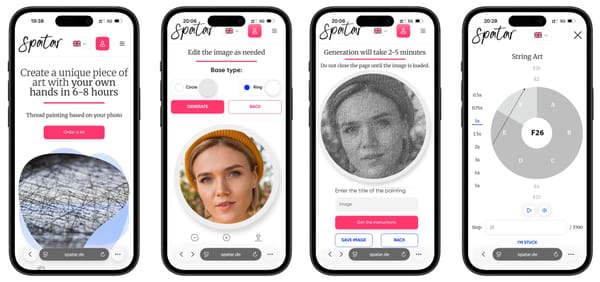
In the Spatar instruction interface, there is an “I’m Stuck” feature for exactly this situation.
If you lose track during assembly, click “I’m Stuck” and enter the last three steps you completed. The system will use those steps to identify your place in the pattern and advise the next correct step.

If you are not completely sure about those last moves, it is better to unwind a few steps first until you reach a point you trust. Then enter those last three confirmed steps into the tool. That way, the system can guide you forward from a reliable position.
So the safest approach is:
pause, unwind a little if necessary, identify the last three confirmed steps, and let the system show you what comes next.
That is much better than guessing and winding forward incorrectly.
A Helpful Tip While Assembling String Art
The cleanest results usually come from working steadily, not quickly.
Keep moderate tension on the thread so it sits neatly across the design, but do not pull too hard. Too much force increases the chance of snapping, especially around nails where the thread changes direction often.
It also helps to let the thread untwist from time to time. If it starts to coil, pause for a moment and straighten it out before continuing. A calm rhythm is much more useful than speed, and it usually prevents more problems than people expect.
Remember: String Art Is More Forgiving Than It Looks
From the outside, string art can seem extremely precise, almost like every line must be placed perfectly or the whole image will fail.
But once you’ve actually made a few pieces, you realize it does not work that way.
A knot can appear. A thread can break. A few lines can be missing. You may need to unwind several steps and recheck the sequence. Even a ready-made artwork can sometimes be repaired with a few small knots if some strings break later.
And still, the final result can remain detailed, balanced, and beautiful.
That is one of the nicest parts of this craft. It leaves room for small human mistakes without losing the bigger picture.
Conclusion
So if the thread breaks during string art, do not assume the artwork is ruined. Tie a small double knot and continue. If several thread segments are lost during assembly, the final image will still almost always look right because it is built from more than 3000 overlapping steps.
If a few strings break on a ready string art piece, they can often be repaired by tying small knots on the remaining ends, and those repairs usually stay invisible in the full design.
And if you lose track while assembling, do not guess. Use the “I’m Stuck” feature, unwind a few steps if needed, enter the last three confirmed steps, and let the system advise the next correct move.
The magic of string art appears gradually. Small imperfections disappear into the thousands of lines, and what feels obvious while you are working often becomes invisible in the finished piece.
In the end, the beauty of string art comes not from perfection, but from the thousands of lines working together to create the image.
Share this article Share to
Written by
Join the conversation

Pet String Art From Photo: Turning Your Dog or Cat Into Wall Art
How String Art From a Photo Works: From Algorithm to Thread
How a Photo Becomes String Art: From Algorithm to Thread