String Art as a Gift: When a Personal Photo Means More Than Another Product
Why a personal photo turned into string art can feel more meaningful than an ordinary gift.

Why Some Gifts Fade — and Others Stay
Most of us have experienced it: a birthday or holiday comes and goes, gifts are unwrapped, appreciated, and then quietly absorbed into everyday life. A sweater joins the wardrobe, a gadget finds its place in a drawer, a decorative object blends into the background. Over time, many gifts lose their emotional weight.
And yet, some presents resist that fading. They remain visible, not just physically but emotionally. They are revisited, pointed out to guests, remembered years later. What separates these gifts from the rest is rarely their price or brand—it is their connection to a real moment, a shared memory, or a meaningful relationship.
In recent years, there has been a noticeable shift toward gifts that carry personal significance. Instead of asking “What should I buy?”, people are increasingly asking “What will this mean?”
The Difference Between Objects and Memories
A generic gift fulfills a function. It may be useful, beautiful, or even luxurious—but it often exists independently of the relationship between giver and receiver. It could, in theory, be given to almost anyone.
A personal gift, on the other hand, cannot be separated from context. It tells a story. It refers to a specific moment in time: a wedding day, a family trip, a quiet everyday scene that somehow became important.
This is where photographs hold a unique place. Unlike most objects, a photo is already loaded with meaning. It captures not just how something looked, but how it felt. A glance, a gesture, a shared environment—all preserved in a single frame.
When a gift is built around such a photo, it becomes more than a physical item. It becomes a continuation of that memory, translated into a form that can live in everyday space.
When a Photo Becomes Something You Can Keep
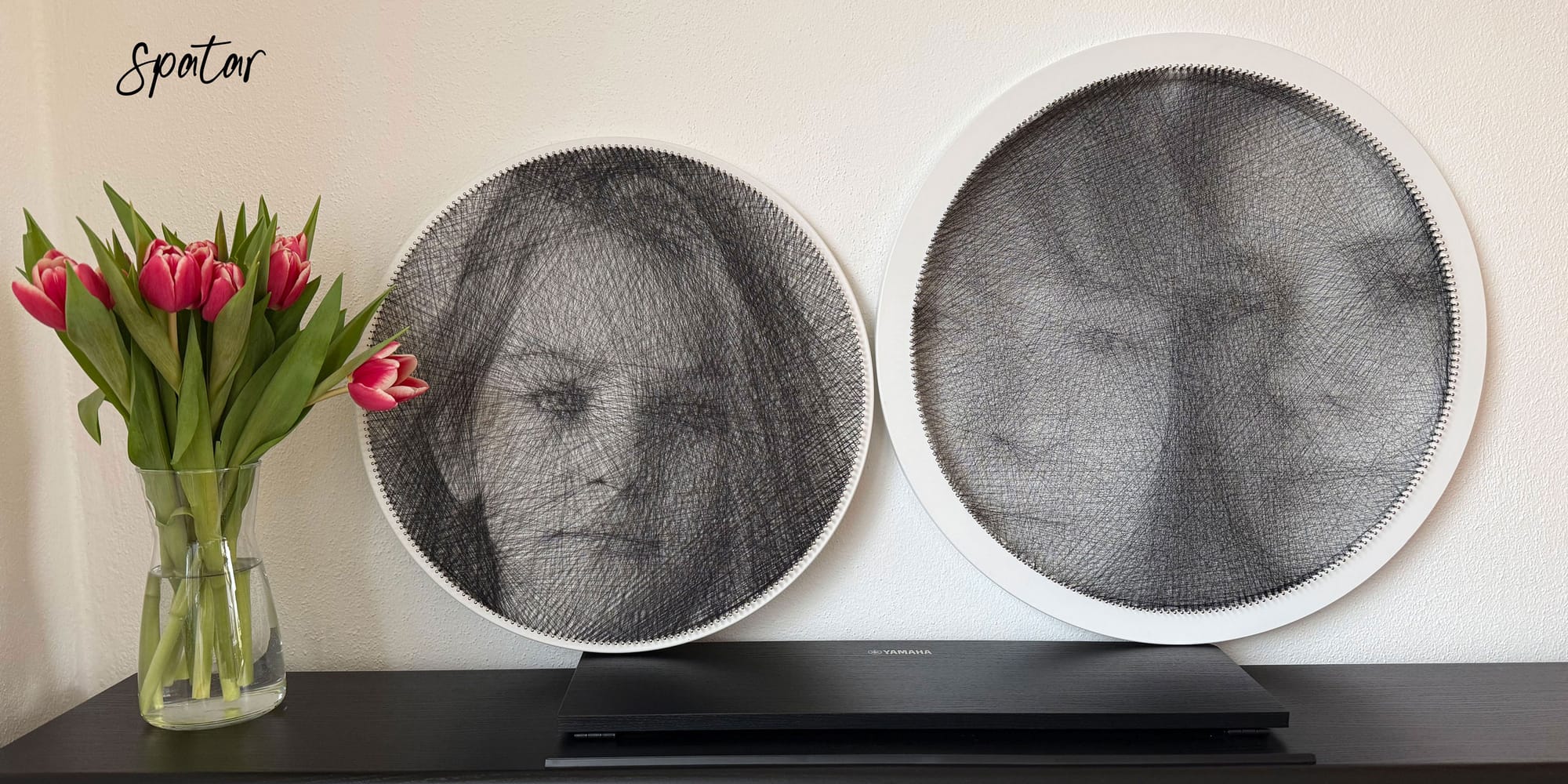
There is something particularly compelling about transforming a photograph into a physical artwork. It changes the way the image is experienced. Instead of scrolling past it on a screen, it becomes something tangible—something that occupies space, catches light, and invites attention.
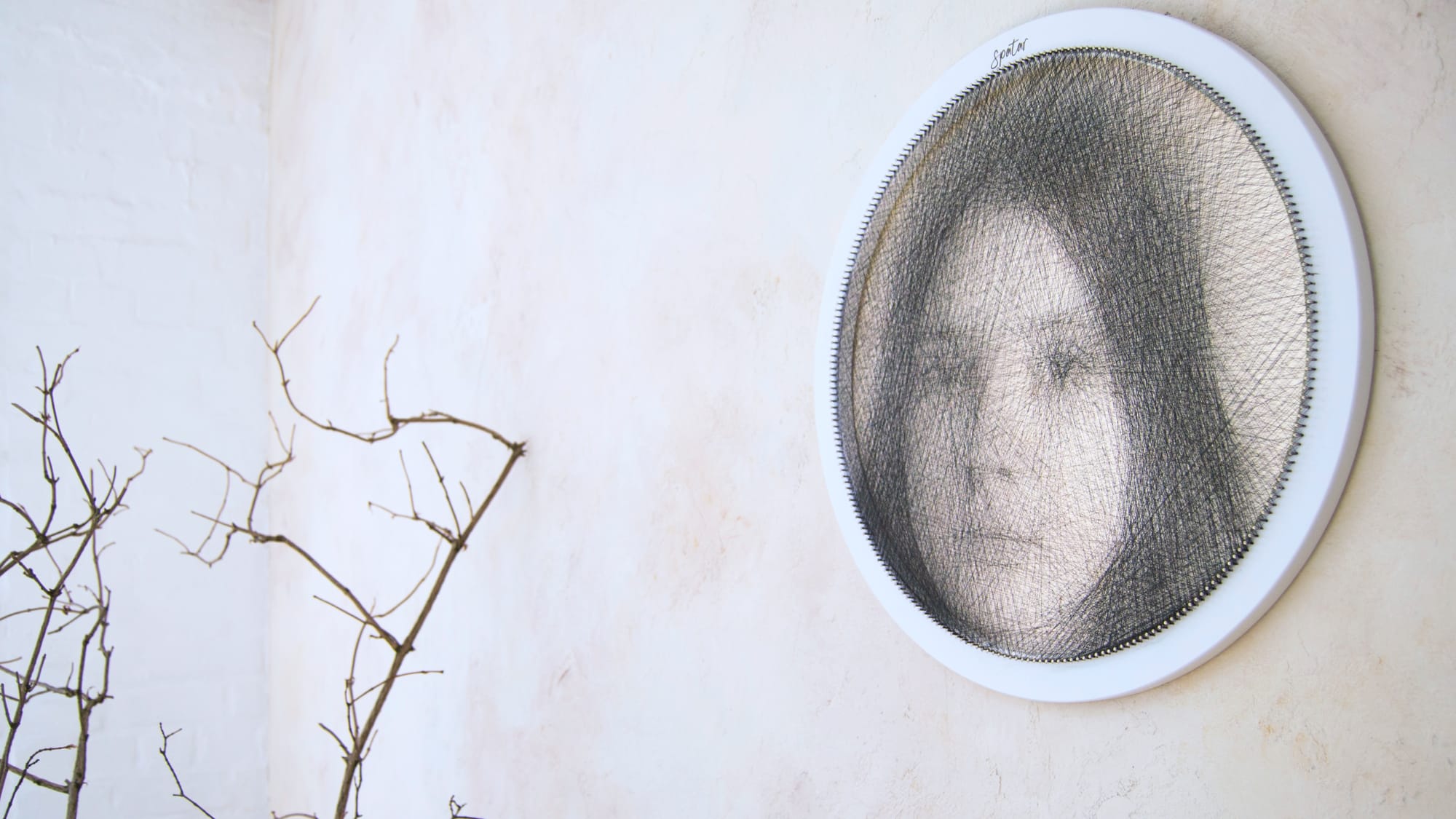
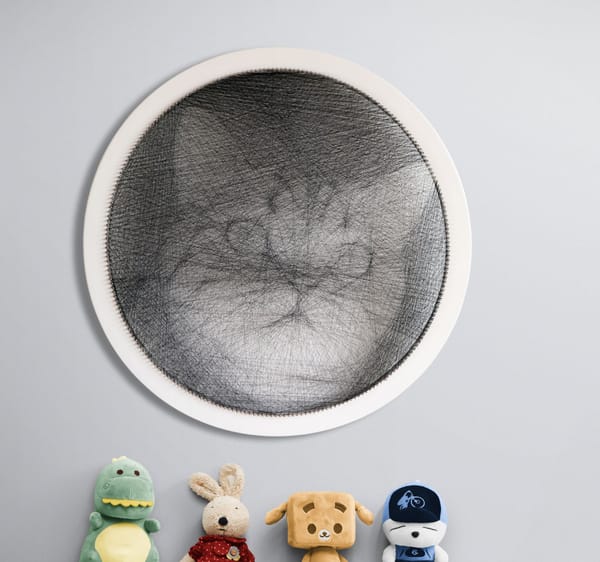
String art offers a distinctive interpretation of this idea. Through carefully arranged threads stretched between nails, an image emerges gradually, often in striking contrast and detail. The process itself reflects patience and intention, and the result has a texture and depth that a printed photo cannot replicate.
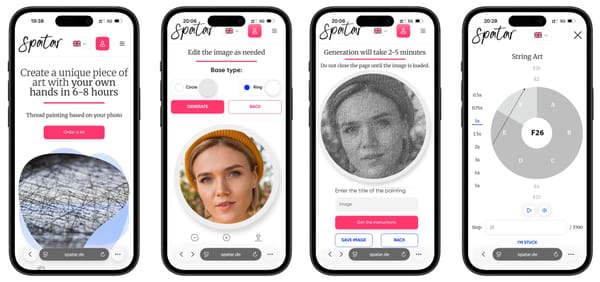
For those exploring this kind of transformation, options like Spatar, which specializes in personalized string art from a photo, illustrate how digital images can be reimagined into handcrafted pieces. The concept is simple, but the emotional effect can be surprisingly strong: a familiar face or moment appears in a completely new medium, inviting a second look and a deeper appreciation.
What makes this especially meaningful is not just the final result, but the idea behind it—the decision to take a memory and give it a more permanent, expressive form.
The Value of Time and Intention
One of the reasons handmade or DIY-style gifts resonate so strongly is that they carry visible traces of effort. Even when the process is guided or supported, there is still an element of personal involvement. Time is spent, attention is given, and choices are made along the way.
In a world where convenience often dominates, this kind of effort stands out. It signals that the gift was not selected in a hurry or out of obligation, but created with a specific person in mind.
This does not mean that every meaningful gift must be made entirely from scratch. Rather, it is the combination of intention and personalization that matters. A carefully chosen photo, a thoughtful composition, and the decision to turn it into something lasting—all of these contribute to the sense that the gift was truly considered.
The recipient may not know every detail of the process, but they can usually feel the difference.
Moments That Deserve More Than the Usual
Certain occasions naturally invite more meaningful gestures. Birthdays, anniversaries, weddings, Mother’s Day, and Father’s Day are not just dates on a calendar—they are markers of relationships, time, and shared experiences.
A birthday gift that reflects a personal memory can feel more intimate than something purely functional. An anniversary present that revisits a shared moment—perhaps the day a couple met or married—can carry a quiet emotional weight. Wedding gifts that reference the couple’s story often stand out among more conventional offerings.
For parents, especially, gifts connected to family memories can be particularly powerful. A photo with a child, a moment from early years, or a simple everyday scene can become something deeply meaningful when transformed into a lasting object.
In these contexts, the goal is not to impress, but to connect. The most appreciated gifts are often those that say, in a subtle way, “I remember this, and it matters.”
When a Gift Becomes Part of a Home
Another aspect that distinguishes meaningful gifts is their ability to integrate into daily life. Some presents are used occasionally; others are displayed for a time and then put away. But certain objects become part of the home itself.
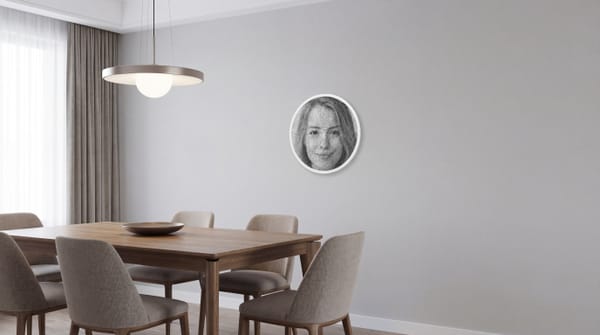
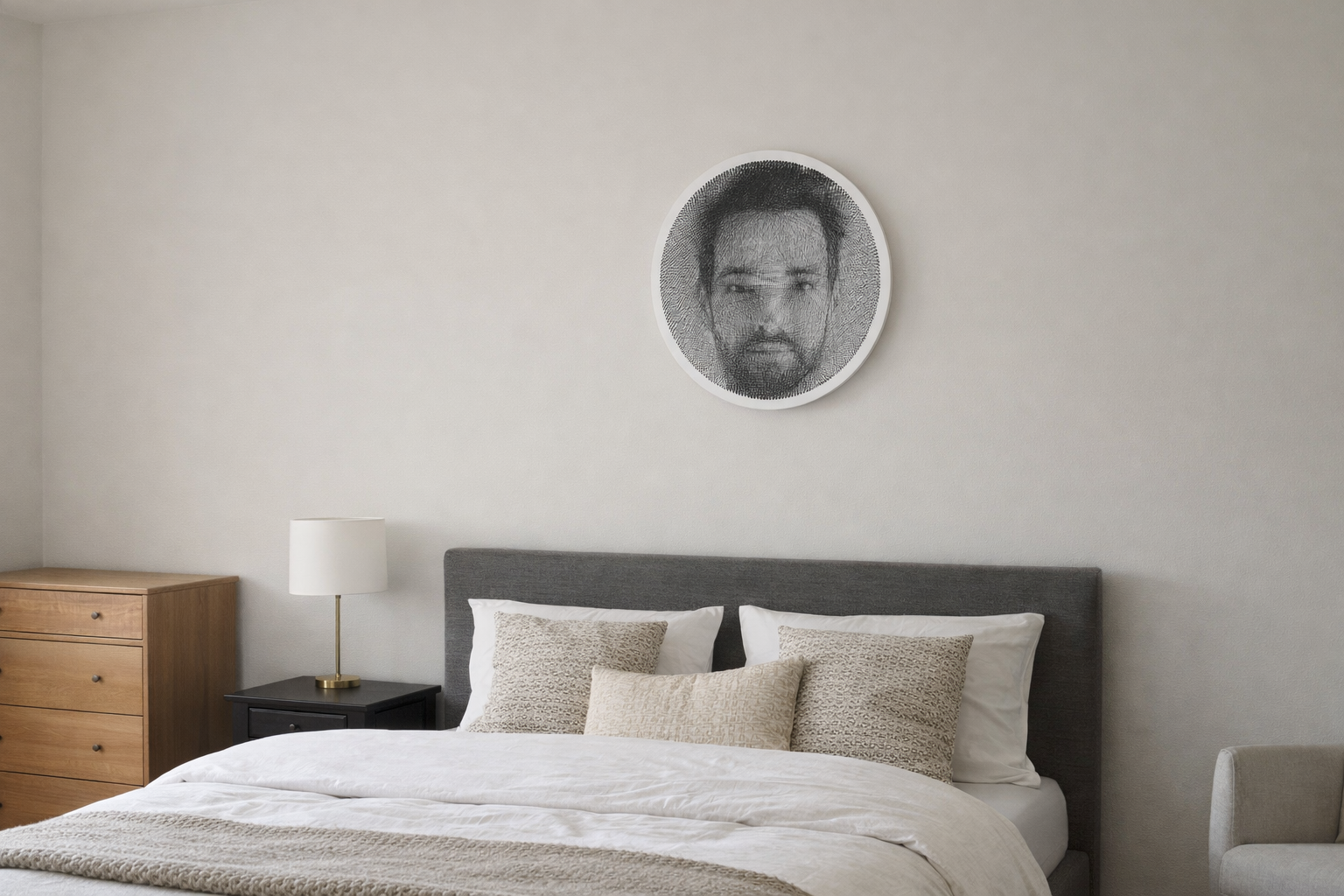
Personalized wall art falls into this category. It does not just exist as a gift—it becomes part of the environment. It is seen in passing, noticed in different lighting, and gradually woven into the atmosphere of a space.
String art, in particular, has a presence that changes depending on perspective and light. The threads create subtle shadows and variations, giving the image a dynamic quality. Over time, it becomes more than decoration; it becomes a familiar visual anchor, tied to a specific memory.
This kind of permanence contributes to the emotional longevity of the gift. It is not something that is used up or replaced—it remains, quietly reinforcing the story it represents.
A Shift Toward Meaningful Giving
It is not surprising that more people are moving toward gifts that emphasize meaning over material value. In a world saturated with products, what stands out is not abundance, but relevance.
Personalized gifts, especially those connected to real memories, offer something that standard items cannot: a sense of recognition. They acknowledge a relationship, a shared past, or a moment that might otherwise fade into the background.
String art based on a personal photo is just one example of this broader shift. It reflects a desire to slow down, to choose more carefully, and to give something that lasts—not just physically, but emotionally.
More Than a Gift
At its core, a meaningful gift is not about the object itself, but about what it represents. It is a way of saying that a moment mattered, that a relationship is valued, and that time was taken to reflect on both.
In that sense, transforming a photo into a piece of string art is not simply a creative idea—it is a way of preserving something intangible and giving it a place in the present.
Long after many gifts are forgotten, those rooted in real memories tend to remain. Not because they are louder or more impressive, but because they continue to speak quietly, in a language that does not fade.
Share this article Share to
Written by
Join the conversation
Pet String Art From Photo: Turning Your Dog or Cat Into Wall Art
What to Do If the Thread Breaks During String Art
How String Art From a Photo Works: From Algorithm to Thread